

Why choose us
Our Factory
We have a 44,000 m² production base for various auxiliary parts processing, component welding, finished product inspection, and packaging. Our facility features multiple production lines and is equipped with modern production and processing equipment, as well as online ERP, MES, and OA management systems. We produce a wide range of heat exchange products, with an annual output of up to 1 million units (sets).
Complete Process System
Our ERP and PDM systems enable information management, systematic operations, and quality control.
Best Energy Solutions
With over two decades of experience in the wind energy sector, we have a capacity of over 17,900 MW.
End-to-End Services
We have extensive experience in power evacuation, land procurement liaison, and working with state authorities.
A coaxial heat exchanger is a type of heat transfer device that uses two concentric tubes to transfer thermal energy between two fluids. The inner tube serves as the conduit for one fluid, while the outer tube acts as a shell through which a second fluid flows to either absorb or release heat.
Coaxial heat exchangers are commonly used in air conditioning and refrigeration applications where high-efficiency cooling is required. They are typically made from materials such as copper, aluminum, or stainless steel, which are known for their excellent thermal conductivity.
One significant advantage of coaxial heat exchangers is their compact design, which requires less space compared to other heat exchanger types with similar performance levels. Additionally, since there is no direct contact between fluids in different circuits (unlike in traditional plate-type or shell-and-tube designs), the risk of cross-contamination is minimized.
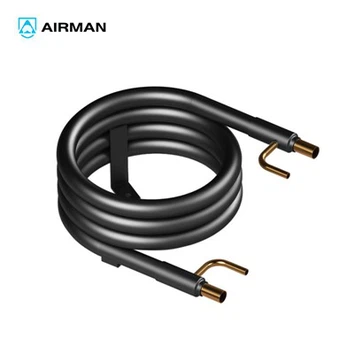
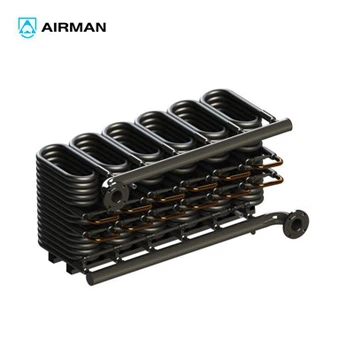
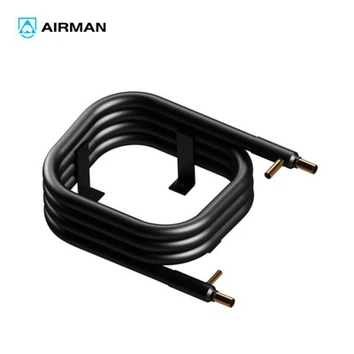
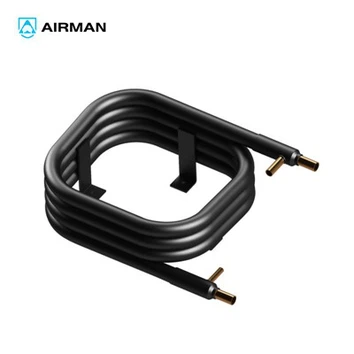
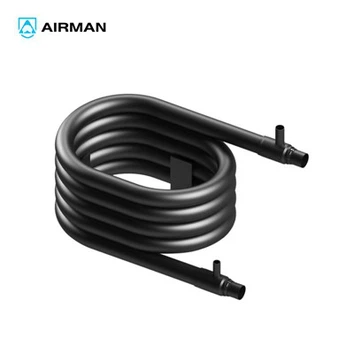


Advantages of Coaxial Heat Exchangers
Highly Efficient: As a pure counter-flow heat exchanger, it offers highly efficient heat transfer. This efficiency is enhanced by the additional grooves on the inner tube’s surface, which are textured to improve heat transfer on the refrigerant side.
Corrosion Resistance: These heat exchangers are designed for durability. The strong and reliable structure results from fewer solder joints. Additionally, they are made from non-corrosive materials, making them suitable for even harsh working conditions.
Ergonomic Design: The modular design is clear and straightforward, featuring a simple yet effective construction. Depending on different business needs, this tube-in-tube heat exchanger can be customized and manufactured in various shapes and sizes. Coaxial heat exchangers are available in square, circular, double-circle, or mosquito coil shapes to accommodate different equipment and applications.
Maintenance Requirements for Each Type
A coaxial heat exchanger uses a central axis to surround and transfer heat between two fluids. There are three main types of coaxial heat exchangers: single-tube, double-tube, and shell-and-tube. Each type has its own advantages and disadvantages, as well as different maintenance requirements.
Single-Tube Heat Exchanger: The single-tube heat exchanger is the simplest and most common type of coaxial heat exchanger. It consists of a single tube surrounded by another fluid. Single-tube heat exchangers are commonly used in cryogenic applications and can be made from various materials, including stainless steel, copper, and aluminum.
Maintenance Requirements: Single-tube heat exchangers require minimal maintenance. Regularly check the tube for any damage or corrosion.
Double-Tube Heat Exchanger: A double-tube heat exchanger is more complex than a single-tube heat exchanger and consists of two tubes surrounded by another fluid. Typically used in high-temperature applications, double-tube heat exchangers can also be made from various materials, including stainless steel, copper, and aluminum.
Maintenance Requirements: Double-tube heat exchangers require more maintenance than single-tube heat exchangers. You need to check both tubes regularly for any damage or corrosion. Ensure that the tubes are properly insulated to prevent heat loss and verify that the seal between the two tubes is tight and leak-free.
Shell-and-Tube Heat Exchanger: The most complex type of coaxial heat exchanger, a shell-and-tube heat exchanger, consists of a shell containing multiple tubes surrounded by another fluid. Shell-and-tube heat exchangers are typically used in high-temperature applications and can also be made from various materials, including stainless steel, copper, and aluminum.
Maintenance Requirements: Shell-and-tube heat exchangers require more maintenance than other types of coaxial heat exchangers. Regularly check all tubes for any damage or corrosion. Inspect the seals between each tube to ensure they are tight and leak-free. Additionally, check the shell for any cracks or wear that could lead to leaks.
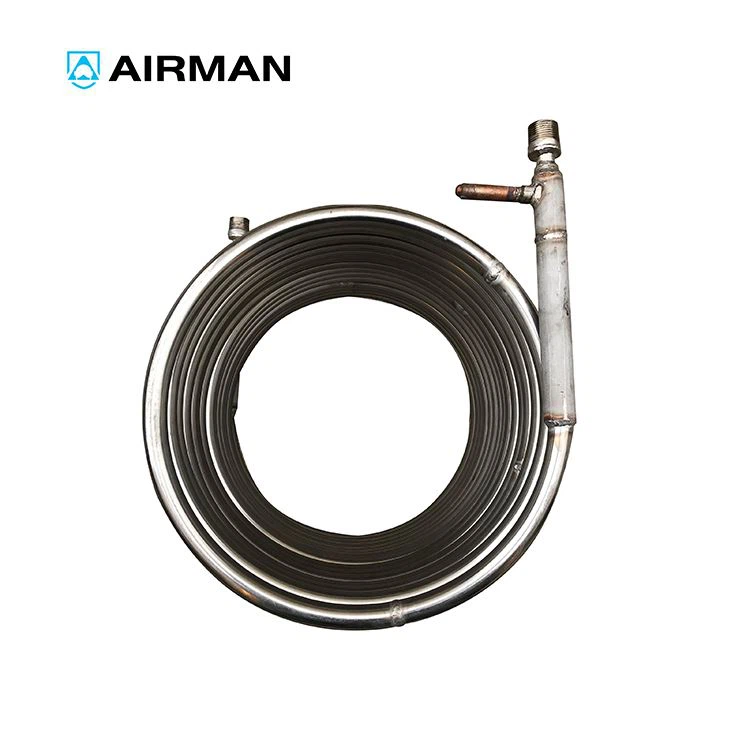
In a coaxial heat exchanger, the heat exchange occurs between two fluids flowing through concentric tubes. Typically, the inner tube carries one fluid (often a refrigerant), while the outer tube carries a second fluid. The two fluids flow in opposite directions, which enhances the heat transfer efficiency—this is known as counterflow heat exchange.
For instance, in the coaxial heat exchanger model launched by YOJO, water flows into the inner tube from the bottom and exits from the top. Meanwhile, the refrigerant gas enters the refrigeration loop through the larger diameter copper tube and exits as a refrigerant liquid through the smaller diameter copper tube. The temperature difference between the fluids drives the heat transfer, with heat being transferred from the hotter fluid to the cooler one.
Wide Range of Applications of Coaxial Heat Exchangers
Coaxial heat exchangers find applications in various industries and systems due to their versatility and efficiency. Some notable applications include:
HVAC Systems: Coaxial heat exchangers are widely used in heating, ventilation, and air conditioning (HVAC) systems. They efficiently transfer heat between air and fluid, ensuring optimal temperature control and energy efficiency. By utilizing the coaxial design, HVAC systems can effectively cool or heat the fluid, depending on the desired temperature requirements.
Refrigeration Systems: In refrigeration systems, coaxial heat exchangers play a vital role in optimizing cooling processes. They facilitate the transfer of heat from the refrigerant to the surrounding environment, ensuring efficient cooling. The efficient heat transfer capabilities of coaxial heat exchangers contribute to the overall energy efficiency of refrigeration systems.
Industrial Processes: Coaxial heat exchangers are extensively used in various industrial processes that require heat exchange. They are employed in manufacturing operations such as chemical processing, food and beverage production, and pharmaceutical manufacturing. Coaxial heat exchangers enable efficient heat transfer between different fluids, enhancing process efficiency and productivity.
Heat Recovery Systems: Heat recovery systems aim to capture and reuse waste heat generated by industrial processes or power generation. Coaxial heat exchangers play a crucial role in these systems by efficiently transferring heat from the waste stream to a usable medium, such as water or air. This process reduces energy consumption and lowers operating costs, making coaxial heat exchangers an essential component of heat recovery systems.
Solar Water Heating Systems: Coaxial heat exchangers are commonly used in solar water heating systems. They facilitate the transfer of heat from solar collectors to a hot water tank, ensuring efficient utilization of solar energy. The coaxial design allows for effective heat transfer, maximizing the energy captured from the sun and providing hot water for various applications.
Market research for coaxial tube heat exchangers is a critical process for businesses seeking to understand their industry landscape, target audience, and competitive environment. It involves gathering, analyzing, and interpreting data about the market, consumer behavior, and emerging trends. Through systematic investigation, market research helps organizations make informed decisions, identify growth opportunities, and mitigate risks. By leveraging both qualitative and quantitative methods, companies can gain actionable insights to refine their strategies, enhance customer satisfaction, and achieve a competitive edge in the dynamic marketplace.
Analyzing market growth involves studying trends, conducting market research, and forecasting future developments. Strategies to capitalize on market growth typically include product development, entering new markets, improving distribution channels, and enhancing marketing efforts to capture a larger share of the expanding market.
Our Factory
We have a 44000m² production base for various auxiliary parts processing, component welding, finished product inspection, packaging, etc. There are multiple production lines, and equipped with modern production and processing equipment and online ERP, MES, OA management systems to produce various heat exchange products, with an annual output of up to 1 million units (sets).
FAQ
Hangzhou Airman Environmental Technology Co., Ltd. is one of the most professional coaxial heat exchanger manufacturers and suppliers in China, specialized in providing high quality products. We warmly welcome you to buy customized coaxial heat exchanger made in China here from our factory.
coaxial heat exchanging tool set, heat transfer coaxial device, water cooled condenser coil