


Why choose us
Our Factory
We have a 44,000 m² production base for various auxiliary parts processing, component welding, finished product inspection, and packaging. Our facility features multiple production lines and is equipped with modern production and processing equipment, as well as online ERP, MES, and OA management systems. We produce a wide range of heat exchange products, with an annual output of up to 1 million units (sets).
Complete Process System
Our ERP and PDM systems enable information management, systematic operations, and quality control.
Best Energy Solutions
With over two decades of experience in the wind energy sector, we have a capacity of over 17,900 MW.
End-to-End Services
We have extensive experience in power evacuation, land procurement liaison, and working with state authorities.
Essentially, a coaxial heat exchanger is a type of tube heat exchanger, commonly used as a condenser or evaporator in heat pumps, ship air conditioners, swimming pools, chillers, and other HVAC systems. It features a "tube-in-tube" structure. The coaxial heat exchanger can have various structural designs, such as round, rectangular, spiral, or double spiral.

High-Efficiency Copper Coaxial Coil Heat Exchanger For Chiller
A pool coaxial heat exchanger is an innovative and eco-friendly solution to keep your pool warm and comfortable throughout the year.
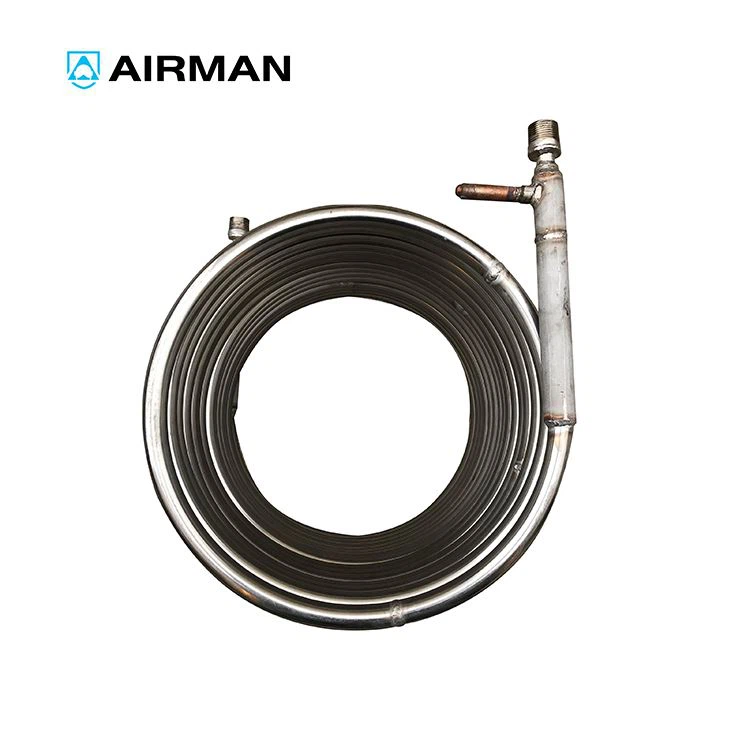
The coaxial heat exchanger consists of a spiral grooved inner tube and an outer tube. Cold liquid and hot liquid flow in the gap between the inner tube and the outer tube or in the inner tube respectively.
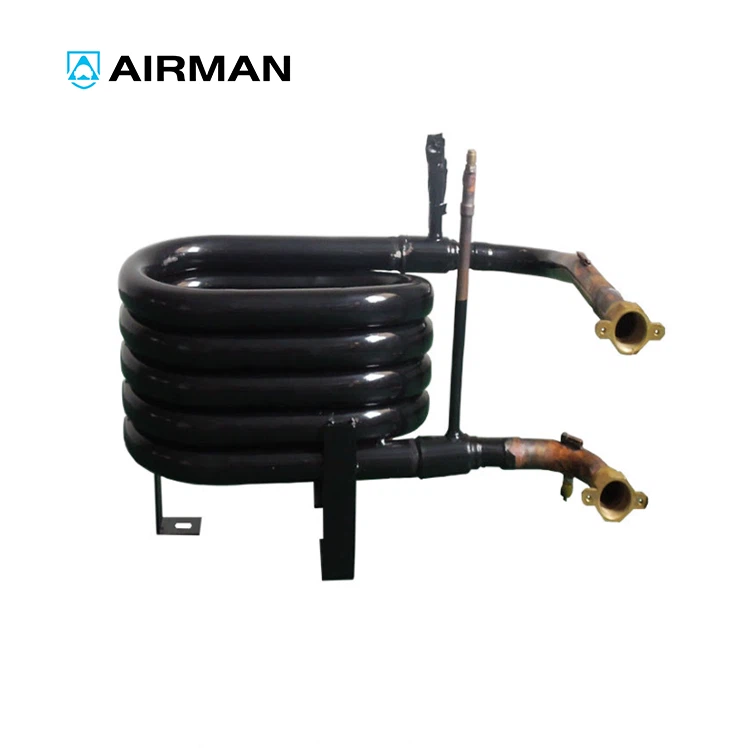
The coaxial heat exchanger consists of a spiral grooved inner tube and an outer tube.

Heat exchangers are an essential part of HVAC systems, playing a vital role in regulating temperature and improving indoor air quality.

Copper coaxial heat exchangers offer a reliable, efficient, and durable solution for heat transfer applications. They are cost-effective,
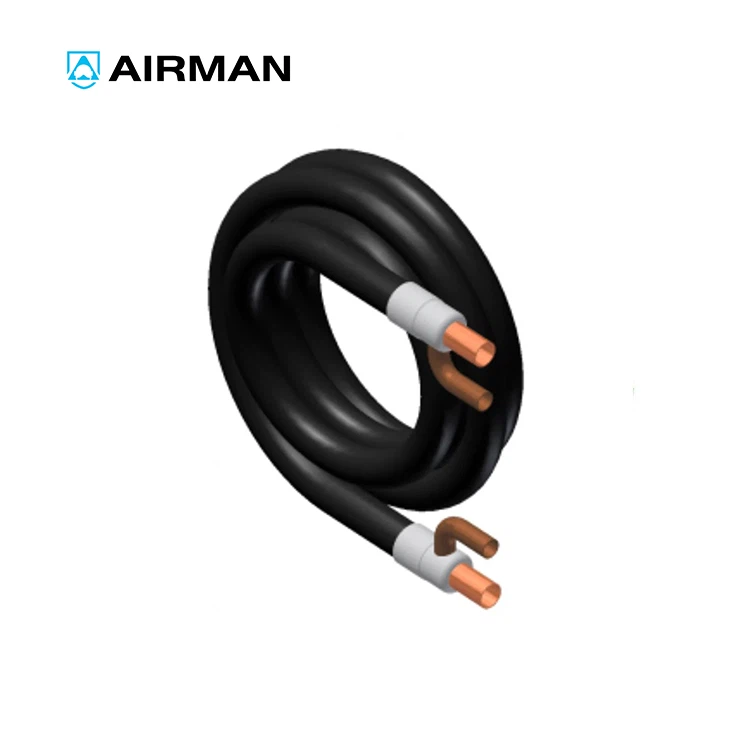
A pool coaxial heat exchanger is an innovative and eco-friendly solution to keep your pool warm and comfortable throughout the year.

Tube In Tube Evaporator Coaxial Heat Exchanger Condenser
It consists of two tubes, an inner tube and an outer tube coiled together. This unique, compact design prevents thermal fatigue,

Copper Industrial Water Cooled AC Coaxial Heat Exchanger
The coaxial heat exchanger consists of a spiral grooved inner tube and an outer tube. Cold liquid and hot liquid flow in the gap between the inner tube and the outer tube or in the inner tube respectively.
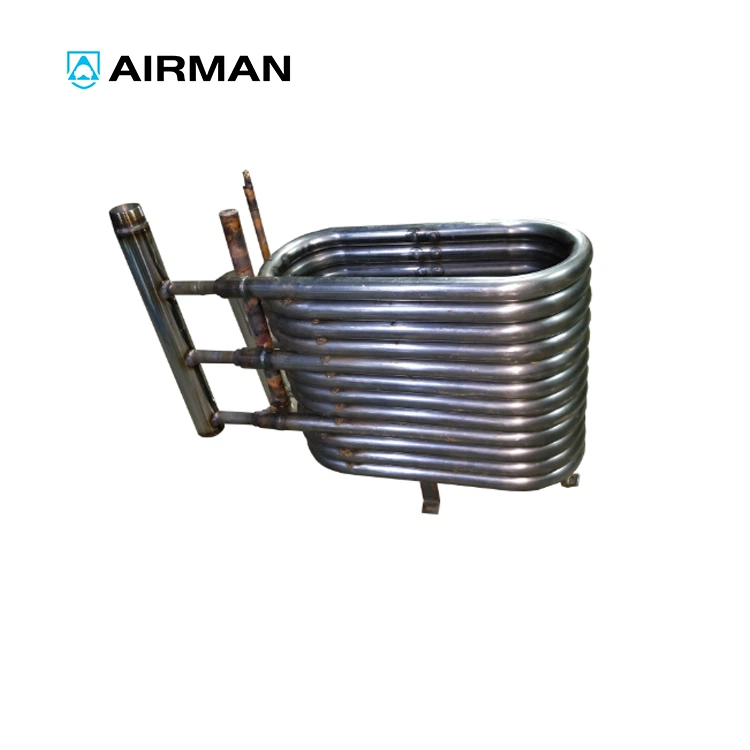
Coaxial Heat Exchanger Applied Water Source Heat Pump
The coaxial heat exchanger consists of an inner twisted tube and an outer tube. Hot and cold liquids flow between the inner tube and the tube respectively for heat exchange.
Benefits of Coaxial Condenser For Marine
High Efficiency
Spiral groove structure can enhance heat transfer on both sides. The axial flow and spiral rotation flow of the fluid in the tube will intensify the mixing of the fluid near the tube wall, thus enhancing the turbulence intensity and increasing the heat transfer coefficient
Self-cleaning Ability
The coaxial heat exchanger has self-cleaning ability because the fluid spiral flow washes the surface. Coaxial heat exchanger has stable performance and low attenuation. The cross-section area of the waterway is large, allowing sediment and large diameter fibers to pass through without blocking. The water passage is clean because the inner tube of the spiral groove keeps the flow turbulent and cleans the surface
Effective Prevention Of Freezing
Water is not easy to freeze because it is turbulent when it flows at a low speed in a spiral groove. The special spiral groove structure of the inner tube makes the inner tube flexible to a certain extent and does not produce the risk of frost cracking.
Less Risk Of Leakage
Heat exchangers are very worried about leakage due to long-term vibration, pressure fluctuation, alternation of heat and cold, and so on. The risk of leakage of coaxial exchangers is seldom due to fewer welding points, simple processing and easy control of welding quality
Adapt To All Kinds Working Conditions
In the actual operation of refrigeration system, the internal pressure is often in an alternate state due to temperature fluctuation, start-stop cycle, heat pump defrosting, expansion valve regulation and other factors. Spiral coaxial heat exchanger is more resistant to pressure shock and pressure shock than plate heat exchanger under constant vibration and pressure change, and can adapt to the complexity of actual working conditions
Types of Coaxial Condenser For Marine
There are four main types of coaxial heat exchangers: shell and tube, double tube, plate and finned tube.
Shell and tube heat exchanger
Shell and tube heat exchangers are the most common type of heat exchanger. They are used in a wide variety of industries and applications. A shell and tube heat exchanger has two chambers, one for heating or cooling the fluid and the other for heating or cooling the fluid. The two fluids never mix, but they do exchange heat through the tube walls.
Double tube heat exchanger
Double tube heat exchangers are very similar to shell and tube heat exchangers. They also have two chambers, one for each fluid, separated by a tube wall. However, in a two-tube heat exchanger, both fluids flow through their own set of tubes. This transfers heat more efficiently, but it also means these types of heat exchangers are more expensive to build and maintain.
Plate heat exchanger
Plate heat exchangers are made up of a series of metal plates sandwiched together. Each plate is carved with a small channel so that one fluid can flow through all the channels between adjacent plates, while the other fluid flows around the outer edges of all plates. Plate heat exchangers transfer heat very efficiently, but they require more maintenance than other types of heat exchangers.
Fin tube heat exchanger
Fin tube heat exchangers are similar to double tube heat exchangers, but they use special fins on the outside of the tubes instead of a single wall tube between the two fluids. The fins help increase the heat transfer surface area, making these types of heat exchangers very efficient. They are also relatively easy to maintain and can be used in a variety of applications.
Applications of Coaxial Condenser For Marine
Ground Source Heat Pumps:
Ground source heat pumps, also known as geothermal heat pumps, utilize coaxial heat exchangers to transfer heat between the ground and a building's HVAC system. The heat exchanger extracts heat from the ground during winter and deposits excess heat back into the ground during summer. This application enables efficient heating and cooling of buildings while minimizing energy consumption.
Geothermal Power Plants:
Coaxial heat exchangers play a vital role in geothermal power plants, where they facilitate the transfer of heat from the geothermal fluid to a working fluid, typically water or steam. The heat exchanger extracts the thermal energy from the geothermal fluid and transfers it to the working fluid, which drives a turbine to generate electricity.
District Heating Systems:
District heating systems utilize coaxial heat exchangers to transfer heat from geothermal sources to provide heating and hot water to multiple buildings or an entire district. The heat exchangers extract the thermal energy from the geothermal fluid and transfer it to a secondary fluid, which is then distributed throughout the district via a network of pipes.
Industrial Processes:
Coaxial heat exchangers are employed in various industrial processes that require heating or cooling. They efficiently transfer heat between geothermal fluids and process fluids, ensuring precise temperature control. Industries such as food processing, chemical manufacturing, and pharmaceuticals benefit from the reliable and energy-efficient heat transfer provided by coaxial heat exchangers.
How Does A Coaxial Condenser For Marine Work?
A coaxial heat exchanger is the best example of a "tube in tube" construction. It is also commonly known as a spiral heat exchanger. The device is frequently used as an evaporator or condenser in heat pumps, chillers, air conditioners, and various HVAC systems.
Depending on the working environment, the inner tube may be constructed of copper, titanium, or copper and nickel alloys. At the same time, the outer tube is generally composed of steel/copper. The surface of the inner tube features several spiral grooves that serve a particular purpose. These grooves increase the surface area resulting in an improved heat transfer.
A coaxial heat exchanger shows a counter-current heat transfer mechanism. Water and refrigeration have different freezing and boiling points; therefore, heat will flow from one to the other. By deploying this efficient heat exchange model, you can also achieve superheating and super-cooling of refrigerant vapors and liquid refrigerant, respectively.
Factors To Consider When Choosing A Type
When selecting a coaxial heat exchanger type, there are several factors to consider, including:
- Type of fluid being heated or cooled
- Required traffic
- Required heat transfer rate
- Working pressure and temperature
Our Factory
We have a 44000m² production base for various auxiliary parts processing, component welding, finished product inspection, packaging, etc. There are multiple production lines, and equipped with modern production and processing equipment and online ERP, MES, OA management systems to produce various heat exchange products, with an annual output of up to 1 million units (sets).
FAQ
Hot Tags: coaxial condenser for marine, China coaxial condenser for marine manufacturers, suppliers, factory, Attic Heat Exchanger, Coaxial Heat Exchanger For Mariculture, Water Cool Evaporator Coil, stainless steel coil heat exchanger, condenser heat, high subcool coil