

Hey there! As a supplier of simple heat exchangers, I've seen firsthand how freezing can be a real headache for folks using these nifty devices. In this blog, I'll share some practical tips on how to prevent freezing in a simple heat exchanger.
First off, let's understand why freezing is such a big deal. When the fluid inside a heat exchanger freezes, it expands. This expansion can cause all sorts of problems, like cracking the tubes or damaging the plates. And once that happens, your heat exchanger is pretty much toast, and you're looking at costly repairs or even a full replacement.
Insulation: The First Line of Defense
One of the easiest and most effective ways to prevent freezing is through proper insulation. Insulating your heat exchanger helps to keep the heat in and the cold out. You can use a variety of insulation materials, like fiberglass, foam, or rubber. Just make sure to cover all the exposed parts of the heat exchanger, including the pipes and connections.
When choosing insulation, consider the climate you're in. If you live in an area with extremely cold winters, you'll need a thicker and more effective insulation material. On the other hand, if you're in a milder climate, a thinner insulation might do the trick.
Keep the Fluid Moving
Another important tip is to keep the fluid moving through the heat exchanger. Stagnant fluid is more likely to freeze than fluid that's constantly flowing. You can achieve this by using a pump to circulate the fluid. Make sure the pump is running at the right speed to maintain a steady flow.

If you're using a heat exchanger in a system where the fluid flow can be interrupted, like in a seasonal operation, you might want to consider installing a bypass valve. This valve allows the fluid to continue circulating even when the main system is shut down.
Use Antifreeze
Adding antifreeze to the fluid in your heat exchanger is a tried and true method of preventing freezing. Antifreeze lowers the freezing point of the fluid, making it less likely to freeze in cold temperatures. There are different types of antifreeze available, so make sure to choose one that's compatible with the fluid and materials in your heat exchanger.
When using antifreeze, follow the manufacturer's instructions carefully. You'll need to add the right amount of antifreeze to the fluid to achieve the desired freezing point. Too little antifreeze won't be effective, while too much can cause damage to the heat exchanger.
Monitor the Temperature
Regularly monitoring the temperature of the fluid in your heat exchanger is crucial. You can use a thermometer or a temperature sensor to keep track of the temperature. If the temperature starts to drop close to the freezing point, you can take action to prevent freezing.
For example, you might increase the flow rate of the fluid, add more antifreeze, or turn up the heat source. By staying on top of the temperature, you can catch potential freezing problems before they become serious.
Choose the Right Heat Exchanger
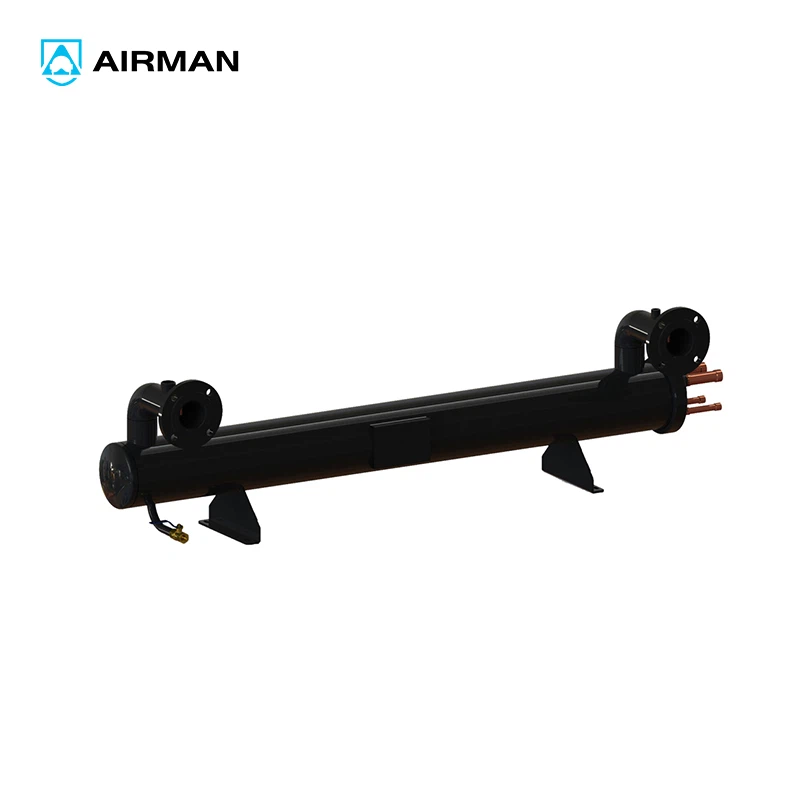
Not all heat exchangers are created equal when it comes to preventing freezing. Some heat exchangers are designed to be more resistant to freezing than others. For example, Shell & Tube Type Heat Exchanger are generally more robust and can handle colder temperatures better than some other types.
If you're in a cold climate, it might be worth investing in a heat exchanger that's specifically designed for cold weather conditions. Water To Water Shell And Tube Heat Exchanger are a great option for many applications, as they can effectively transfer heat even in cold environments.
Regular Maintenance
Regular maintenance is key to keeping your heat exchanger in good working condition and preventing freezing. Make sure to clean the heat exchanger regularly to remove any dirt, debris, or scale that might build up. This can improve the efficiency of the heat exchanger and reduce the risk of freezing.
You should also check the seals and gaskets for any signs of wear or damage. Leaky seals can allow cold air to enter the heat exchanger, increasing the risk of freezing. Replace any worn or damaged seals as soon as possible.
Emergency Shutdown Procedures
It's also a good idea to have emergency shutdown procedures in place in case of a sudden drop in temperature. If you notice that the temperature is dropping rapidly and there's a risk of freezing, you can shut down the heat exchanger and take steps to protect it.
For example, you might drain the fluid from the heat exchanger to prevent it from freezing inside. Make sure to follow the proper procedures for draining the fluid to avoid any damage to the heat exchanger.
Conclusion
Preventing freezing in a simple heat exchanger is all about taking proactive steps to protect your equipment. By insulating the heat exchanger, keeping the fluid moving, using antifreeze, monitoring the temperature, choosing the right heat exchanger, and performing regular maintenance, you can significantly reduce the risk of freezing.
If you're in the market for a simple heat exchanger or need more information on preventing freezing, don't hesitate to reach out. We're here to help you find the right solution for your needs. Whether you're looking for a 30 Plate Heat Exchanger or a larger industrial heat exchanger, we've got you covered.
So, if you have any questions or want to discuss your heat exchanger requirements, just drop us a line. We'll be happy to have a chat and see how we can assist you.
References
- "Heat Exchanger Handbook" by William M. Kays and A. L. London
- "Thermal Design of Heat Exchangers" by D. Q. Kern
- Manufacturer's manuals for various heat exchangers