

Hey there! I'm a supplier of Waste Water Heat Exchangers, and today I wanna chat about whether a waste water heat exchanger can be used in the food processing industry.
First off, let's understand what a waste water heat exchanger is. It's a device that transfers heat from waste water to a different fluid, usually fresh water or a heating medium. This way, we can reuse the heat that would otherwise go to waste. It's a pretty cool concept, right?
Now, the food processing industry has some unique requirements. There are strict hygiene standards to follow, and the equipment used has to be able to handle the specific conditions of food production. So, can a waste water heat exchanger fit the bill?
One of the big advantages of using a waste water heat exchanger in the food processing industry is energy savings. Food processing involves a lot of heating and cooling processes. For example, in dairy processing, milk needs to be pasteurized, which requires heating it to a certain temperature. After that, it has to be cooled down quickly. A waste water heat exchanger can capture the heat from the hot waste water generated during these processes and use it to pre - heat incoming cold water or other fluids. This reduces the amount of energy needed from external sources like boilers, which in turn cuts down on energy costs.
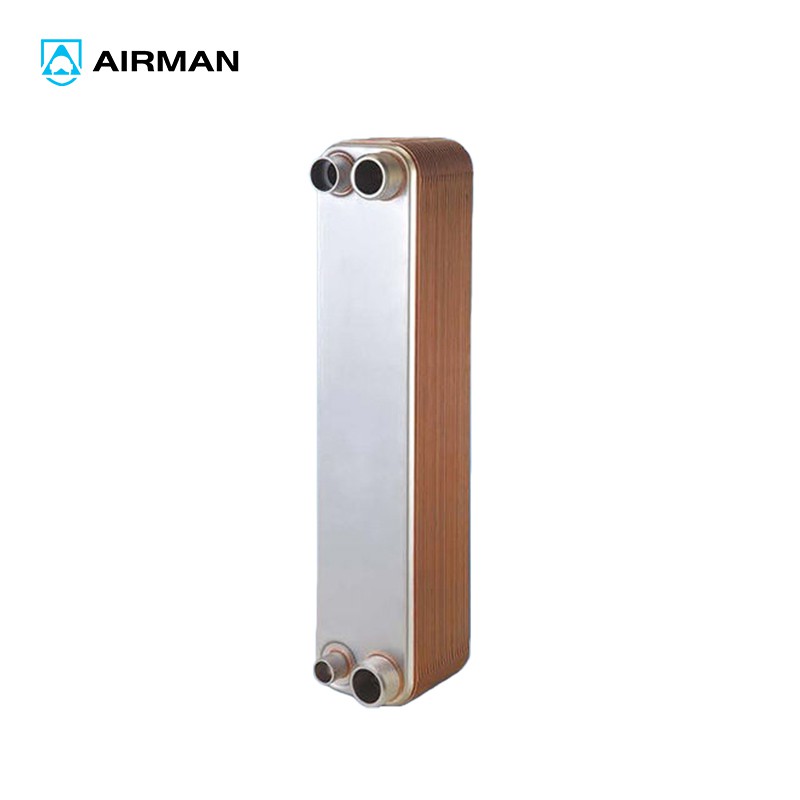
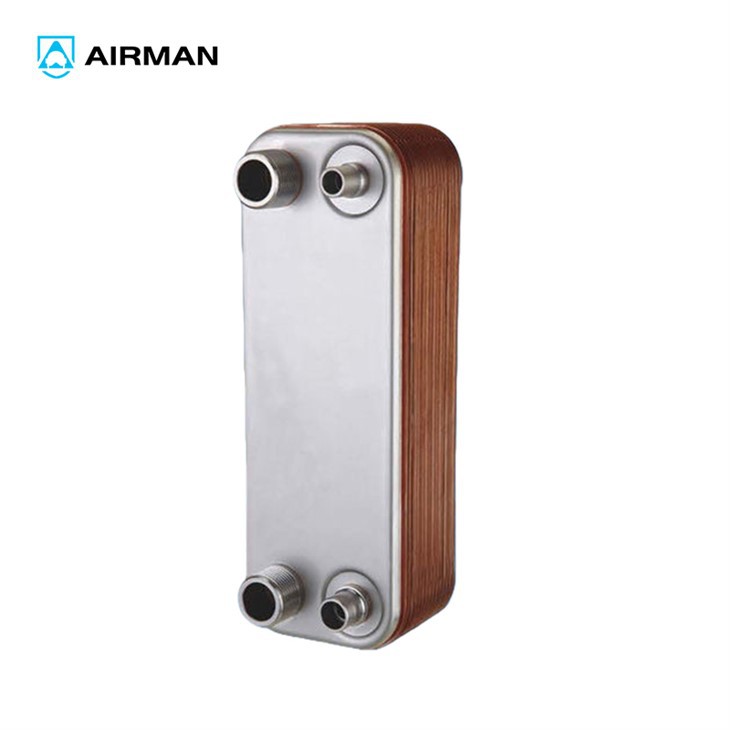
Take a look at our Welded Plate Heat Exchanger. It's a great option for food processing. Welded plate heat exchangers are known for their high heat transfer efficiency. They have a large surface area for heat exchange, which means they can transfer heat quickly and effectively. In a food processing plant, this can speed up the heating and cooling processes, increasing productivity.
Another important factor in the food industry is hygiene. Our waste water heat exchangers are designed with hygiene in mind. They are made from materials that are resistant to corrosion and can be easily cleaned. For instance, stainless steel is a common material used in our heat exchangers. Stainless steel is non - toxic, doesn't react with food products, and can withstand high - pressure cleaning. This ensures that the heat exchanger doesn't contaminate the food during the heat transfer process.
Let's talk about the Shell And Tube Steam To Water Heat Exchanger. This type of heat exchanger is well - suited for applications where steam is used for heating in the food processing industry. In a bakery, steam is often used to heat ovens or to cook dough. The shell and tube design allows for efficient heat transfer between the steam and water. The tubes are made of high - quality materials that can handle the high temperatures and pressures associated with steam, while the shell provides a protective enclosure.
In addition to energy savings and hygiene, waste water heat exchangers can also help with environmental sustainability. The food processing industry is a major consumer of water and energy. By reusing the heat from waste water, we can reduce the overall environmental impact. It's a win - win situation for both the business and the planet.
Now, you might be wondering about the cost. At first glance, installing a waste water heat exchanger might seem like a big investment. However, in the long run, the energy savings and increased productivity can more than make up for the initial cost. For example, our 40kw Plate Heat Exchanger is a cost - effective option for smaller food processing operations. It offers a good balance between performance and price.
There are also some challenges to consider when using waste water heat exchangers in the food processing industry. One of the main challenges is fouling. Waste water from food processing can contain a lot of organic matter, such as food particles, fats, and proteins. These can build up on the heat transfer surfaces, reducing the efficiency of the heat exchanger. To combat this, we design our heat exchangers with features that make them easy to clean. Some models have removable plates or tubes, which can be taken out and cleaned thoroughly.
Another challenge is the need for proper maintenance. Regular maintenance is essential to ensure that the heat exchanger operates at its best. This includes checking for leaks, monitoring the performance, and cleaning the heat transfer surfaces. But don't worry, we provide comprehensive maintenance guides and support to our customers.
In conclusion, a waste water heat exchanger can definitely be used in the food processing industry. It offers significant energy savings, helps meet hygiene standards, and contributes to environmental sustainability. Whether you're running a large - scale food processing plant or a small - scale bakery, there's a waste water heat exchanger that can fit your needs.
If you're interested in learning more about our waste water heat exchangers or want to discuss how they can be integrated into your food processing operation, don't hesitate to reach out. We're here to answer all your questions and help you make the best decision for your business.
References
- "Heat Exchangers in the Food Industry: Design, Operation, and Maintenance" - A technical guide on heat exchangers used in food processing.
- "Energy Efficiency in Food Processing" - A research paper on ways to save energy in the food industry, including the use of heat exchangers.