

When it comes to operating a water cool evaporator coil efficiently, selecting the right water pump is a crucial decision. As a supplier of water cool evaporator coils, I understand the significance of this choice and the impact it can have on the overall performance of the system. In this blog post, I'll share some key considerations to help you make an informed decision when selecting a water pump for your water cool evaporator coil.
Understanding the Basics of Water Cool Evaporator Coils
Before delving into the pump selection process, it's essential to have a basic understanding of water cool evaporator coils. These coils are an integral part of refrigeration and air - conditioning systems. They work by absorbing heat from the surrounding air or fluid, causing the refrigerant inside the coil to evaporate. The water flowing through the coil helps in the heat - transfer process, removing the heat from the refrigerant and maintaining the desired temperature.
Key Factors in Pump Selection
Flow Rate
The flow rate of the water pump is one of the most important factors to consider. It is measured in gallons per minute (GPM) or liters per minute (LPM). The flow rate should be sufficient to ensure that an adequate amount of water passes through the evaporator coil to facilitate efficient heat transfer. If the flow rate is too low, the heat transfer will be inefficient, leading to reduced cooling capacity and potentially higher energy consumption. On the other hand, an excessively high flow rate can cause unnecessary energy waste and may also lead to water hammer and other operational issues.
To determine the appropriate flow rate, you need to consider the size of the evaporator coil, the heat load it needs to handle, and the temperature difference between the inlet and outlet water. Manufacturers usually provide guidelines on the recommended flow rate for their evaporator coils based on these factors.
Head Pressure
Head pressure refers to the resistance that the pump must overcome to move the water through the system. It includes factors such as the elevation difference between the pump and the evaporator coil, the friction loss in the pipes, and the pressure drop across the coil itself. Calculating the head pressure accurately is crucial because if the pump does not have enough head pressure, it will not be able to push the water through the system effectively.
There are several methods to calculate head pressure. You can use engineering formulas that take into account the pipe diameter, length, and roughness, as well as the number of fittings and valves in the system. Additionally, you can refer to pump performance curves provided by manufacturers, which show the relationship between flow rate and head pressure for a particular pump model.
Pump Efficiency
Pump efficiency is another critical factor. An efficient pump will consume less energy while delivering the required flow rate and head pressure. This not only reduces operating costs but also has a positive environmental impact. When comparing different pump models, look for the pump efficiency rating. Higher - efficiency pumps may have a higher upfront cost, but the long - term savings in energy consumption can offset this initial investment.
Material Compatibility
The materials used in the construction of the pump must be compatible with the water and any chemicals or additives present in the system. For example, if the water has a high level of acidity or contains corrosive substances, you need to choose a pump made of corrosion - resistant materials such as stainless steel or titanium. Using a pump with incompatible materials can lead to premature wear and failure, resulting in costly repairs and downtime.
Noise Level
In some applications, such as in commercial buildings or residential areas, the noise level of the pump can be a significant concern. A noisy pump can be a nuisance to occupants and may even violate local noise regulations. Look for pumps that are designed to operate quietly. Some pumps feature advanced noise - reduction technologies, such as insulated housings and low - vibration motors.
Types of Water Pumps Suitable for Water Cool Evaporator Coils
Centrifugal Pumps
Centrifugal pumps are the most commonly used type of pump for water cool evaporator coils. They work by using a rotating impeller to create centrifugal force, which pushes the water outwards and into the discharge pipe. Centrifugal pumps are known for their high flow rates and relatively low head pressures, making them suitable for many evaporator coil applications. They are also relatively simple in design, easy to install, and maintain.
Positive Displacement Pumps
Positive displacement pumps, such as diaphragm pumps and gear pumps, are another option. These pumps work by trapping a fixed amount of water and then forcing it into the discharge pipe. They are capable of generating high head pressures, which can be beneficial in systems with long pipe runs or high - resistance coils. However, positive displacement pumps generally have lower flow rates compared to centrifugal pumps and may be more expensive and complex to maintain.

Additional Considerations
System Expansion
When selecting a water pump, it's important to consider the potential for system expansion in the future. If you anticipate adding more evaporator coils or increasing the heat load of the system, you may want to choose a pump with some extra capacity to accommodate these changes. This can save you the cost and hassle of replacing the pump later.
Backup and Redundancy
In critical applications where continuous operation is essential, such as in data centers or hospitals, it may be advisable to have a backup pump or a redundant pumping system. This ensures that if one pump fails, the system can continue to operate without interruption.
Related Products
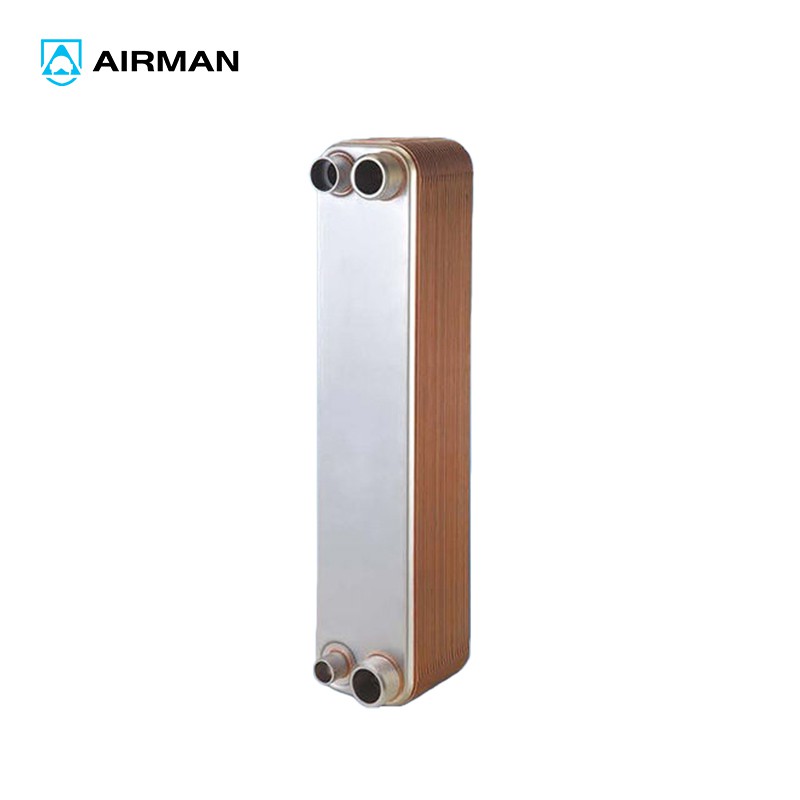
If you are interested in other heat - exchange products, we also offer a range of high - quality heat exchangers. For example, our Welded Plate Heat Exchanger is designed for efficient heat transfer in various industrial applications. Our Swimming Pool Titanium Heat Exchanger is ideal for maintaining the temperature of swimming pools, and our Shell & Plate Heat Exchanger offers a compact and efficient solution for many heat - exchange needs.
Conclusion
Selecting the right water pump for a water cool evaporator coil is a complex but essential task. By considering factors such as flow rate, head pressure, pump efficiency, material compatibility, and noise level, you can ensure that your system operates efficiently and reliably. As a water cool evaporator coil supplier, we are committed to providing our customers with the best advice and products to meet their needs. If you have any questions or need assistance in selecting the right water pump for your application, please feel free to contact us for procurement and further discussions.
References
- ASHRAE Handbook of Refrigeration. American Society of Heating, Refrigerating and Air - Conditioning Engineers.
- Pump Handbook, Karassik et al. McGraw - Hill Professional.