

Retrofitting an existing heat exchanger can seem like a daunting task, but with the right approach, it can be a cost - effective and efficient solution to improve the performance of your system. As a heat exchanger supplier, I've seen firsthand how a successful retrofit can make a huge difference in various industrial and commercial applications.
Why Retrofit?
Before we dive into the how - to, let's quickly talk about why you might want to retrofit your heat exchanger in the first place. Over time, heat exchangers can experience a decline in performance due to fouling, corrosion, or simply wear and tear. This can lead to increased energy consumption, reduced efficiency, and higher operating costs. Retrofitting can help you address these issues, extend the lifespan of your equipment, and even improve the overall quality of your process.
Assessing the Current Heat Exchanger
The first step in any retrofit project is to assess the current state of your heat exchanger. You need to understand its design specifications, operating conditions, and the extent of any damage or degradation. This involves gathering data on the heat exchanger's size, type, materials, flow rates, and temperature differentials.
For instance, if you have a Shell & Tube Type Heat Exchanger, you'll want to check the tubes for signs of corrosion or blockages. Look at the shell for any leaks or structural damage. Measure the inlet and outlet temperatures and flow rates to determine the current heat transfer efficiency.
If it's a Plate Heat Exchanger Gasket, inspect the gaskets for wear and tear. A damaged gasket can lead to leaks, which not only reduce efficiency but can also cause safety hazards. Check the plates for fouling, as this can significantly impede heat transfer.
Identifying the Retrofit Goals
Once you've assessed the current heat exchanger, it's time to identify your retrofit goals. Are you looking to increase heat transfer efficiency? Reduce energy consumption? Improve the reliability of the system? Maybe you want to adapt the heat exchanger to handle a different type of fluid or operating conditions.
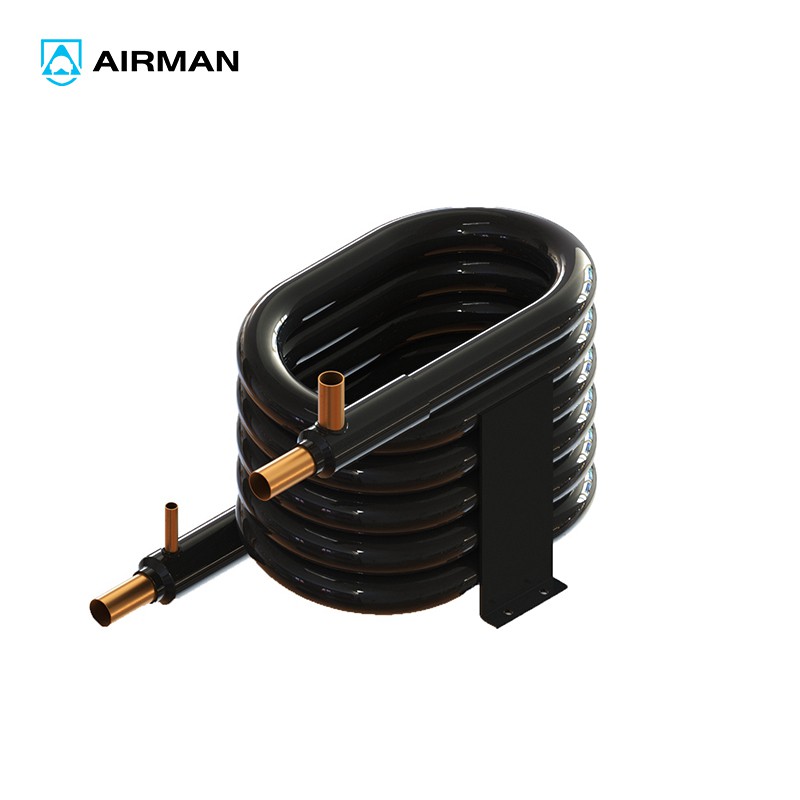
For example, if your heat exchanger is used in a marine application and you want to switch to using seawater, you might consider a Sea Water Coaxial Heat Exchanger. These heat exchangers are specifically designed to handle the corrosive nature of seawater and can provide better performance in such environments.
If you're working with a heat pump system and want to improve the evaporation process, a Water Cool Evaporator Coil for Heat Pump could be a great retrofit option. It can enhance the cooling capacity and overall efficiency of the heat pump.

Selecting the Right Retrofit Components
Based on your assessment and goals, you'll need to select the right components for the retrofit. This could involve replacing tubes, gaskets, plates, or even the entire heat exchanger shell. When choosing components, consider factors like material compatibility, thermal conductivity, and durability.
For tube replacements in a Shell and Heat Exchanger, make sure the new tubes are made of a material that can withstand the operating conditions. For example, if the heat exchanger is used in a chemical processing plant, you might need tubes made of corrosion - resistant alloys.
When it comes to gaskets for a plate heat exchanger, ensure they are the right size and have the appropriate chemical resistance. A well - fitting gasket can prevent leaks and ensure proper heat transfer between the plates.
Planning the Retrofit Project
Once you have your components selected, it's time to plan the retrofit project. Create a detailed timeline and budget. Consider the downtime required for the retrofit and how it will impact your operations. You may need to schedule the retrofit during a maintenance window or a period of low production.
Assemble a team of qualified technicians who are experienced in heat exchanger retrofits. They should be familiar with the specific type of heat exchanger you have and the components you're using. Provide them with all the necessary information, including the design specifications of the new components and the installation instructions.
Executing the Retrofit
During the actual retrofit process, follow the installation instructions carefully. Make sure all components are installed correctly and securely. Pay close attention to any alignment requirements, especially when replacing tubes or plates.
For example, when installing new tubes in a shell - and - tube heat exchanger, ensure they are properly aligned and fixed in place. Any misalignment can lead to uneven flow distribution and reduced heat transfer efficiency.
After the installation, perform a thorough inspection to check for any leaks or other issues. Test the heat exchanger under normal operating conditions to ensure it is functioning as expected. Monitor the performance closely in the initial days after the retrofit to identify and address any problems promptly.
Post - Retrofit Maintenance
Once the retrofit is complete, it's important to establish a regular maintenance schedule. This will help ensure the long - term performance of your heat exchanger. Regularly clean the heat exchanger to prevent fouling. Inspect the components for wear and tear and replace them as needed.
Monitor the operating parameters, such as temperature, pressure, and flow rates, on a regular basis. Any significant changes in these parameters could indicate a problem with the heat exchanger.
Conclusion
Retrofitting an existing heat exchanger is a complex but rewarding process. By following these steps, you can improve the performance of your heat exchanger, reduce energy consumption, and extend its lifespan. If you're considering a heat exchanger retrofit or need help with component selection, don't hesitate to reach out. As a heat exchanger supplier, we have the expertise and the products to help you achieve your goals. Contact us to start a conversation about your retrofit project and explore how we can assist you in optimizing your heat exchange system.
References
- Incropera, F. P., & DeWitt, D. P. (2002). Introduction to Heat Transfer. Wiley.
- Shah, R. K., & Sekulic, D. P. (2003). Fundamentals of Heat Exchanger Design. Wiley - Interscience.