

Hey there! As a supplier of Sea Water Heat Exchangers, I've seen firsthand the headaches that freezing can cause in these systems. Freezing in a sea water heat exchanger can lead to reduced efficiency, damage to components, and even system failures. So, in this blog, I'm gonna share some tips on how to prevent freezing in a sea water heat exchanger.
Understanding the Problem
Before we dive into the prevention methods, let's understand why freezing occurs in the first place. Sea water has a lower freezing point than fresh water due to its salt content. However, under certain conditions, it can still freeze in the heat exchanger. The main factors that contribute to freezing are low temperatures, low flow rates, and the presence of impurities.
When the temperature drops below a certain level, the sea water in the heat exchanger can start to freeze. Low flow rates can also cause freezing because the water doesn't move fast enough to prevent ice formation. Impurities in the sea water, such as sand or debris, can act as nucleation sites for ice crystals, making it easier for freezing to occur.
Prevention Methods
1. Maintain Adequate Flow Rates
One of the most important things you can do to prevent freezing is to maintain adequate flow rates through the heat exchanger. A good rule of thumb is to keep the flow rate high enough to ensure that the water doesn't stay in the exchanger for too long. You can use flow meters to monitor the flow rate and adjust the pumps accordingly.
For example, if you notice that the flow rate is dropping, it could be a sign of a blockage in the pipes or a problem with the pump. In this case, you should check the pipes for any obstructions and make sure the pump is working properly. By maintaining a consistent flow rate, you can keep the water moving and prevent ice from forming.
2. Insulate the Heat Exchanger
Insulating the heat exchanger is another effective way to prevent freezing. Insulation helps to reduce heat loss from the exchanger, keeping the sea water at a higher temperature. You can use various types of insulation materials, such as foam or fiberglass, to wrap the heat exchanger.
Make sure to cover all the exposed parts of the exchanger, including the pipes and valves. This will help to create a barrier between the cold outside air and the warm sea water inside the exchanger. Insulation can also help to improve the energy efficiency of the system by reducing the amount of heat that is lost.
3. Use Anti - Freeze Solutions
In some cases, you may need to use anti - freeze solutions to prevent freezing. There are several types of anti - freeze available, but you need to choose one that is compatible with sea water and the materials used in the heat exchanger.
For example, some anti - freezes contain chemicals that can corrode the metal parts of the exchanger. Make sure to read the manufacturer's instructions carefully and follow the recommended dosage. Anti - freeze solutions work by lowering the freezing point of the sea water, making it less likely to freeze even at low temperatures.
4. Monitor and Control the Temperature
Regularly monitoring the temperature of the sea water in the heat exchanger is crucial. You can use temperature sensors to keep track of the water temperature and set up alarms to alert you if the temperature drops below a certain level.
Based on the temperature readings, you can adjust the heating system or the flow rate to maintain the desired temperature. For example, if the temperature starts to drop, you can increase the flow rate or turn up the heating to warm up the water.
5. Keep the System Clean
A clean heat exchanger is less likely to freeze. Over time, sea water can deposit impurities and scale on the inside of the exchanger, which can reduce the heat transfer efficiency and increase the risk of freezing.
You should regularly clean the heat exchanger to remove any dirt, sand, or scale. You can use chemical cleaners or mechanical methods, such as brushing or flushing, to clean the exchanger. By keeping the system clean, you can ensure that the sea water flows smoothly and that the heat transfer process is efficient.
Our Product Offerings
As a Sea Water Heat Exchanger supplier, we offer a wide range of high - quality products to meet your needs. For instance, our 40 Plate Heat Exchanger is designed for efficient heat transfer and can be used in various sea water applications. It has a compact design and is easy to install and maintain.
Our Stainless Steel Tube in Stainless Steel Tube Coaxial Heat Exchanger is another great option. It is made of high - quality stainless steel, which is resistant to corrosion and can withstand the harsh conditions of sea water. This type of heat exchanger provides excellent heat transfer performance and is suitable for long - term use.

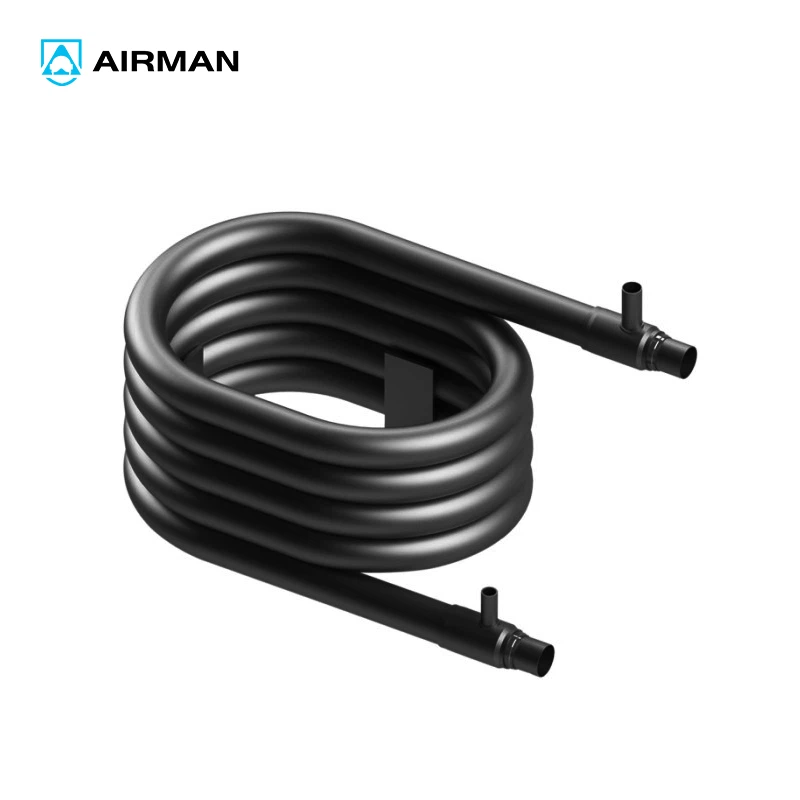
If you're looking for a heat exchanger for a water source heat pump system, our Water Source Heat Pump Coaxial Heat Exchanger is the perfect choice. It is designed to work efficiently with water source heat pumps and can help to reduce energy consumption.
Conclusion
Preventing freezing in a sea water heat exchanger is essential for maintaining the efficiency and reliability of your system. By following the tips mentioned above, such as maintaining adequate flow rates, insulating the exchanger, using anti - freeze solutions, monitoring the temperature, and keeping the system clean, you can significantly reduce the risk of freezing.
If you're interested in our Sea Water Heat Exchanger products or have any questions about preventing freezing, feel free to reach out to us. We're here to help you find the best solution for your specific needs. Let's work together to ensure that your heat exchanger operates smoothly and efficiently, without the hassle of freezing.
References
- "Handbook of Heat Exchanger Design" by various authors
- "Thermal Engineering Principles" by John Smith
- Industry reports on sea water heat exchanger performance and maintenance