

Hey there! As a supplier of water cool evaporator coils, I've seen firsthand how these nifty components interact with other HVAC (Heating, Ventilation, and Air Conditioning) parts. Let's dive into how a water cool evaporator coil plays with the rest of the HVAC gang.
The Basics of a Water Cool Evaporator Coil
First off, what's a water cool evaporator coil? Well, it's a crucial part of the HVAC system that helps with cooling. The coil is filled with a refrigerant, and when warm air passes over it, the refrigerant absorbs the heat from the air. This causes the refrigerant to evaporate, changing from a liquid to a gas. As it does so, it cools down the air that's flowing over the coil.
Interaction with the Compressor
The compressor is like the heart of the HVAC system. It's responsible for pressurizing the refrigerant gas that comes from the evaporator coil. After the refrigerant in the water cool evaporator coil has absorbed heat and turned into a gas, it heads over to the compressor. The compressor squeezes this gas, raising its temperature and pressure.
This high - pressure, high - temperature gas then moves on to the condenser. Without the compressor doing its job, the refrigerant wouldn't be able to release the heat it picked up in the evaporator coil. So, the water cool evaporator coil and the compressor have a symbiotic relationship. The evaporator provides the compressor with low - pressure gas, and the compressor prepares the refrigerant for the next stage in the cooling cycle.
Meeting the Condenser
Once the compressor has done its thing, the high - pressure refrigerant gas reaches the condenser. The condenser's job is to release the heat that the refrigerant absorbed in the evaporator coil. It does this by allowing the refrigerant to cool down and condense back into a liquid.
The water cool evaporator coil and the condenser work in tandem. The evaporator picks up heat from the indoor air, and the condenser gets rid of that heat outside. If the condenser isn't working properly, the refrigerant won't turn back into a liquid efficiently, and this can affect the performance of the water cool evaporator coil. For instance, if the condenser is clogged or not getting enough airflow, the refrigerant will stay in a gaseous state for longer, and the evaporator won't be able to cool the air as effectively.
Role with the Expansion Valve
The expansion valve is another key player in the HVAC system. After the refrigerant has condensed back into a liquid in the condenser, it passes through the expansion valve. The expansion valve reduces the pressure of the liquid refrigerant. This drop in pressure causes the refrigerant to cool down even more.
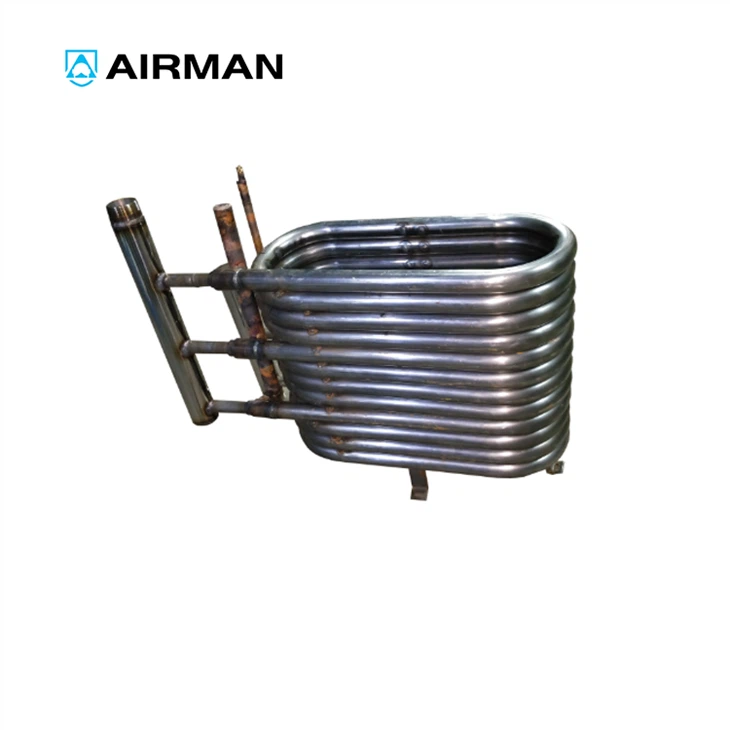

The cooled liquid refrigerant then enters the water cool evaporator coil. The expansion valve controls the amount of refrigerant that enters the evaporator. If too much refrigerant enters the evaporator, it might not have enough time to absorb all the heat from the air. On the other hand, if too little refrigerant enters, the evaporator won't be able to cool the air sufficiently. So, the expansion valve ensures that the water cool evaporator coil gets the right amount of refrigerant to do its cooling job.
Working with the Air Handler
The air handler is responsible for moving the air through the HVAC system. It blows warm indoor air over the water cool evaporator coil. As the air passes over the cold coil, the heat is transferred from the air to the refrigerant in the coil, and the air gets cooled.
The air handler also filters the air, removing dust, pollen, and other particles. A clean air handler is essential for the proper functioning of the water cool evaporator coil. If the air handler's filter is dirty, it can restrict the airflow over the coil. This can lead to reduced heat transfer and poor cooling performance.
Special Applications and Related Products
We also offer water cool evaporator coils for specific applications like mariculture. Check out our Water Cool Evaporator Coil for Mariculture. These coils are designed to meet the unique cooling needs of mariculture systems, ensuring a stable and suitable environment for aquatic life.
In addition, we have coaxial heat exchangers that are an important part of many HVAC setups. Our Coaxial Heat Exchanger For Air Conditioner is a great option for air conditioning systems. It helps in efficient heat transfer, which is closely related to the performance of the water cool evaporator coil.
Another interesting product is our Coaxial Heat Exchanger for Salt Solution Dehumidifier. This heat exchanger is used in dehumidification systems, and it can work in harmony with the water cool evaporator coil to control both temperature and humidity in a space.
Why It All Matters
Understanding how a water cool evaporator coil interacts with other HVAC components is crucial for anyone involved in the HVAC industry. Whether you're an installer, a maintenance technician, or a building owner, knowing these relationships can help you troubleshoot problems, improve system efficiency, and save on energy costs.
For example, if you notice that your HVAC system isn't cooling properly, you can start by checking the interaction between the evaporator coil and the other components. Maybe the air handler's filter needs to be changed, or the condenser isn't releasing heat effectively. By identifying and fixing these issues, you can get your HVAC system back to optimal performance.
Looking to Purchase?
If you're in the market for a high - quality water cool evaporator coil or any of our related products, we're here to help. Our team of experts can provide you with all the information you need and assist you in finding the right solution for your specific needs. Don't hesitate to reach out and start a discussion about your HVAC requirements. We're committed to providing top - notch products and excellent customer service.
References
- "HVAC Systems: Principles and Practice" by C. W. Turner.
- "Fundamentals of Heating, Ventilation, and Air Conditioning" by W. C. Turner.