

Hey there! I'm a supplier of Sea Water Heat Exchangers, and I often get asked about the maintenance frequency of these nifty devices. So, I thought I'd sit down and write a blog post to share some insights on this topic.
First off, let's talk about what a sea water heat exchanger is. It's a device that transfers heat between sea water and another fluid, like fresh water or a refrigerant. These heat exchangers are commonly used in marine applications, such as on ships and offshore platforms, to cool or heat various systems.
Now, the maintenance frequency of a sea water heat exchanger can vary depending on several factors. One of the most important factors is the quality of the sea water. Sea water can contain a variety of contaminants, such as sand, sediment, algae, and salt. These contaminants can cause fouling and corrosion in the heat exchanger, which can reduce its efficiency and lifespan.
If the sea water is relatively clean, the maintenance frequency may be lower. However, if the sea water is dirty or contains a high concentration of contaminants, the maintenance frequency will need to be higher. In general, it's a good idea to monitor the quality of the sea water regularly and adjust the maintenance schedule accordingly.
Another factor that can affect the maintenance frequency is the operating conditions of the heat exchanger. For example, if the heat exchanger is operating at high temperatures or pressures, it may require more frequent maintenance. Similarly, if the heat exchanger is used in a harsh environment, such as in a corrosive or abrasive atmosphere, it may also need more frequent maintenance.
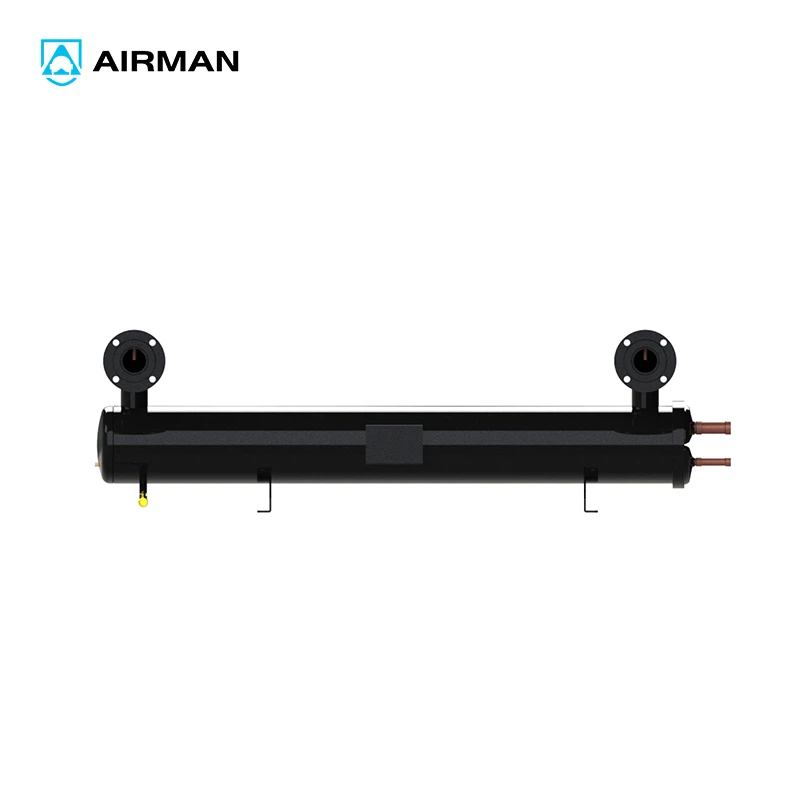
The type of heat exchanger can also play a role in determining the maintenance frequency. There are several different types of sea water heat exchangers, including Tube Sheet Heat Exchanger, Shell And Tube Heat Exchanger On Ship, and High Pressure Shell And Tube Heat Exchanger. Each type of heat exchanger has its own unique design and operating characteristics, which can affect the maintenance requirements.
So, what kind of maintenance tasks are typically involved in keeping a sea water heat exchanger in good working condition? Here are some of the most common maintenance tasks:
Cleaning
One of the most important maintenance tasks is cleaning the heat exchanger. Over time, fouling can occur on the surfaces of the heat exchanger, which can reduce its efficiency. Cleaning the heat exchanger can help to remove the fouling and restore its performance. There are several different methods for cleaning a heat exchanger, including chemical cleaning, mechanical cleaning, and high-pressure water jetting.
Inspection
Regular inspection of the heat exchanger is also important. Inspections can help to identify any potential problems, such as leaks, corrosion, or damage to the tubes or shell. By catching these problems early, you can prevent them from becoming more serious and costly to repair.
Maintenance of Seals and Gaskets
The seals and gaskets in the heat exchanger play a crucial role in preventing leaks. Over time, these seals and gaskets can wear out or become damaged, which can lead to leaks. It's important to regularly inspect and replace the seals and gaskets as needed to ensure that the heat exchanger is operating properly.
Monitoring of Operating Parameters
Monitoring the operating parameters of the heat exchanger, such as temperature, pressure, and flow rate, can also help to identify any potential problems. By keeping track of these parameters, you can detect any changes or trends that may indicate a problem with the heat exchanger.
Lubrication
If the heat exchanger has any moving parts, such as pumps or fans, it's important to lubricate them regularly. Lubrication can help to reduce friction and wear, which can extend the lifespan of the moving parts.
So, how often should you perform these maintenance tasks? As I mentioned earlier, the maintenance frequency can vary depending on several factors. However, here are some general guidelines:
- Daily or Weekly: Check the operating parameters of the heat exchanger, such as temperature, pressure, and flow rate. Look for any signs of leaks or abnormal operation.
- Monthly: Inspect the heat exchanger for any signs of fouling, corrosion, or damage. Clean the heat exchanger if necessary.
- Quarterly: Check the seals and gaskets for any signs of wear or damage. Replace them if needed.
- Annually: Perform a more thorough inspection of the heat exchanger, including a pressure test. Replace any worn or damaged parts.
It's important to note that these are just general guidelines, and the actual maintenance frequency may need to be adjusted based on the specific circumstances of your heat exchanger. If you're unsure about how often to perform maintenance on your heat exchanger, it's a good idea to consult with a professional or the manufacturer.
In addition to regular maintenance, it's also important to follow the manufacturer's recommendations for installation, operation, and maintenance of the heat exchanger. The manufacturer's recommendations are based on the specific design and operating characteristics of the heat exchanger, and following them can help to ensure that the heat exchanger operates safely and efficiently.
Well, that's all I have to say about the maintenance frequency of a sea water heat exchanger. I hope this blog post has been helpful to you. If you're in the market for a sea water heat exchanger or have any questions about maintenance, feel free to reach out. We're here to help you find the right heat exchanger for your needs and ensure that it operates at its best.

Let's start a conversation about your heat exchanger requirements. Whether you're looking for a new installation or need advice on maintenance, I'm just a message away. Let's work together to get the most out of your sea water heat exchanger.
References
- ASHRAE Handbook - HVAC Systems and Equipment.
- TEMA (Tubular Exchanger Manufacturers Association) Standards.