

Hey there, folks! As a supplier of immersion heat exchangers, I know how crucial it is to make sure these bad boys are performing at their best after installation. You don't want to go through all the hassle of getting it set up just to find out it's not doing its job right. So, in this blog, I'm gonna walk you through how to validate the performance of an immersion heat exchanger after it's been installed.
Step 1: Initial Checks
First things first, once the immersion heat exchanger is installed, you gotta do a quick visual inspection. Check for any visible damage, like dents, cracks, or loose connections. A damaged heat exchanger can seriously mess with its performance. Make sure all the pipes are properly connected and there are no leaks. You can do a simple pressure test to check for leaks. Just pressurize the system and see if the pressure holds steady. If it drops, you've got a leak somewhere, and you need to fix it right away.
Step 2: Temperature Monitoring
Temperature is a key factor when it comes to the performance of an immersion heat exchanger. You need to monitor the inlet and outlet temperatures of both the hot and cold fluids. You can use thermocouples or temperature sensors to get accurate readings. Compare the actual temperatures with the design specifications. If there's a big difference, it could mean there's a problem with the heat transfer process.
For example, if the outlet temperature of the cold fluid is lower than expected, it could be because the heat exchanger is not transferring enough heat. This could be due to a fouled surface, a blockage in the flow path, or a problem with the fluid flow rate. On the other hand, if the outlet temperature of the hot fluid is higher than expected, it could mean that the heat exchanger is not removing enough heat.
Step 3: Flow Rate Measurement
The flow rate of the fluids is another important parameter. You need to make sure that the fluids are flowing through the heat exchanger at the right rate. You can use flow meters to measure the flow rate. Again, compare the actual flow rates with the design specifications. If the flow rate is too low, it could lead to poor heat transfer efficiency. If it's too high, it could cause excessive pressure drop and wear on the equipment.
Step 4: Pressure Drop Analysis
Pressure drop is the difference in pressure between the inlet and outlet of the heat exchanger. It's an important indicator of the flow resistance in the system. You need to measure the pressure drop across the heat exchanger and compare it with the design values. A higher than expected pressure drop could be due to a blockage in the flow path, a fouled surface, or a problem with the fluid viscosity.
Step 5: Efficiency Calculation
Once you've got all the temperature, flow rate, and pressure drop data, you can calculate the efficiency of the heat exchanger. There are different ways to calculate efficiency, but one common method is to use the effectiveness - NTU (Number of Transfer Units) method. The efficiency of the heat exchanger gives you an idea of how well it's performing compared to its maximum possible performance.
Step 6: Long - Term Monitoring
Validation isn't a one - time thing. You need to keep an eye on the performance of the immersion heat exchanger over time. Set up a regular monitoring schedule to collect data on temperature, flow rate, pressure drop, and efficiency. This will help you detect any trends or changes in performance early on. If you notice a gradual decrease in efficiency, it could be a sign of fouling or wear and tear, and you can take preventive measures.
Product Recommendations
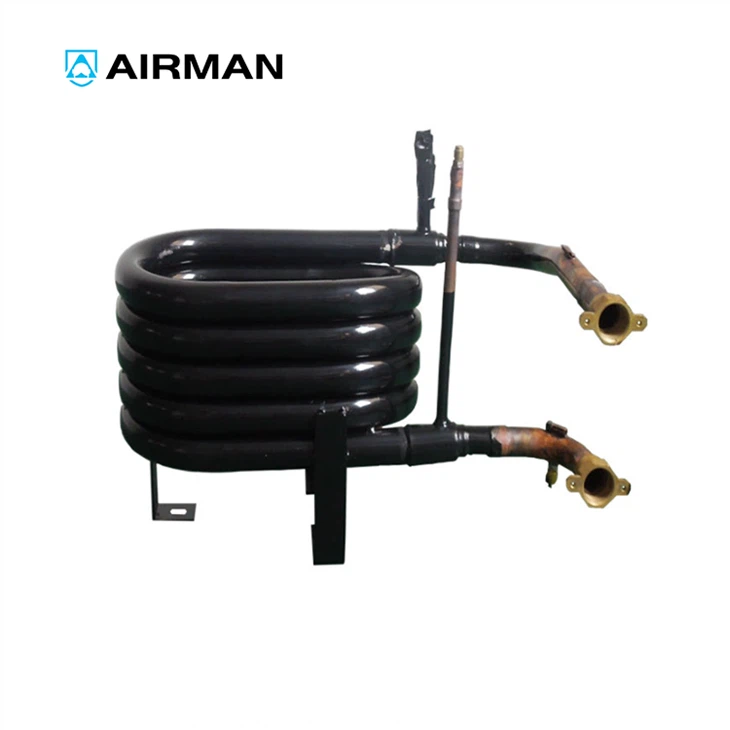
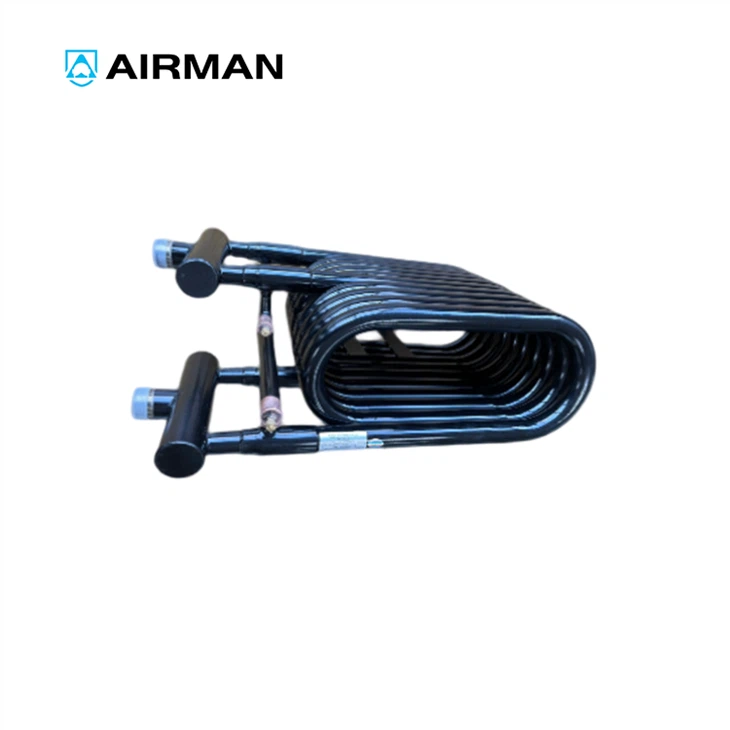
We offer a wide range of high - quality immersion heat exchangers for different applications. For example, if you're looking for a Coaxial Heat Exchanger for Salt Solution Dehumidifier, we've got you covered. Our coaxial heat exchangers are designed to provide efficient heat transfer in salt solution dehumidification systems.
If you're in the pool industry, our Coaxial Heat Exchanger for Pool Heat Pump is a great choice. It can help you maintain the right temperature in your pool while being energy - efficient. And for pool heat pumps, our Water Cool Condenser Coil for Pool Heat Pump is a reliable option to ensure proper heat dissipation.
Conclusion
Validating the performance of an immersion heat exchanger after installation is essential to ensure its long - term reliability and efficiency. By following the steps I've outlined above, you can catch any issues early and take corrective action. If you're in the market for a high - quality immersion heat exchanger or need more information on performance validation, don't hesitate to reach out. We're here to help you make the right choice for your application. Whether you're a small business or a large industrial operation, we've got the products and expertise to meet your needs. So, if you're interested in discussing your requirements or making a purchase, just get in touch, and we'll start the conversation.
References
- Incropera, F. P., & DeWitt, D. P. (2002). Fundamentals of Heat and Mass Transfer. John Wiley & Sons.
- Shah, R. K., & Sekulic, D. P. (2003). Fundamentals of Heat Exchanger Design. John Wiley & Sons.