

Hey there! As a supplier of simple heat exchangers, I've seen firsthand how corrosion can mess with these nifty devices. In this blog, I'm gonna walk you through how to study the effect of corrosion on the performance of a simple heat exchanger.
Why Corrosion is a Big Deal for Heat Exchangers
First off, let's talk about why corrosion is such a pain in the neck for heat exchangers. Heat exchangers are all about transferring heat efficiently between two fluids. But when corrosion kicks in, it can form a layer of rust or other corrosion products on the heat transfer surfaces. This layer acts like an insulator, reducing the heat transfer rate.
Imagine a simple plate heat exchanger. The plates are designed to have a large surface area for maximum heat transfer. But if corrosion starts eating away at the plates or covering them with gunk, the heat can't move from one fluid to the other as easily. This means the heat exchanger has to work harder to achieve the same level of performance, which can lead to increased energy consumption and higher operating costs.
Another big issue is that corrosion can weaken the structural integrity of the heat exchanger. Over time, it can cause leaks, which not only lead to fluid loss but can also be a safety hazard, especially if the fluids are toxic or flammable.
Getting Started with the Study
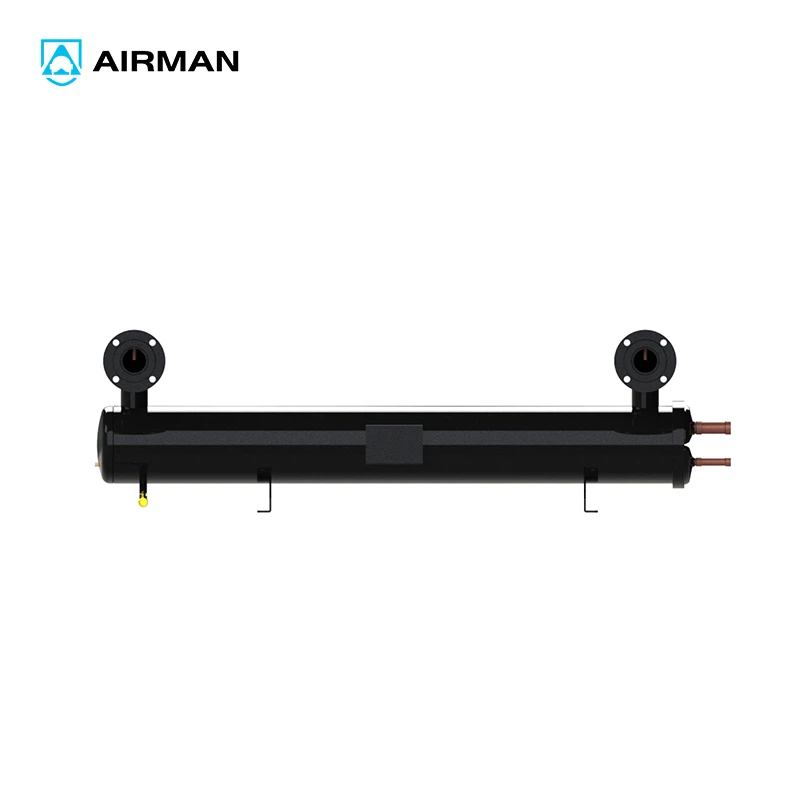
So, how do we start studying the effect of corrosion on a simple heat exchanger? Well, the first step is to gather some basic info. You need to know what kind of heat exchanger you're dealing with. Are you looking at a Water Cool Condenser Coil for Heat Pump Water Heater, a Welded Plate Heat Exchanger, or a High Pressure Shell And Tube Heat Exchanger? Each type has its own unique design and materials, which will affect how it corrodes.
Next, you gotta figure out what kind of environment the heat exchanger is in. Is it exposed to saltwater, acidic chemicals, or just regular tap water? Different environments can cause different types of corrosion. For example, saltwater is known for causing pitting corrosion, where small holes form on the metal surface. Acidic chemicals, on the other hand, can lead to general corrosion, where the entire surface of the metal is slowly eaten away.
Measuring the Initial Performance
Before you can study the effect of corrosion, you need to know how the heat exchanger performs when it's brand new. This means measuring some key performance indicators (KPIs). The most important one is the heat transfer coefficient. This tells you how well the heat exchanger can transfer heat from one fluid to the other.
To measure the heat transfer coefficient, you'll need to know the flow rates and temperatures of the two fluids entering and leaving the heat exchanger. You can use thermocouples to measure the temperatures and flow meters to measure the flow rates. Once you have this data, you can use some equations to calculate the heat transfer coefficient.
Another important KPI is the pressure drop across the heat exchanger. This is the difference in pressure between the inlet and outlet of each fluid. A high pressure drop means the fluid has to work harder to flow through the heat exchanger, which can also increase energy consumption.

Simulating Corrosion
Now that you know the initial performance of the heat exchanger, it's time to simulate corrosion. There are a few different ways to do this. One common method is to immerse a sample of the heat exchanger material in a corrosive solution. You can use different solutions depending on the type of corrosion you want to simulate. For example, if you're interested in saltwater corrosion, you can use a saltwater solution.
You'll need to control the temperature, pH, and concentration of the solution to make sure the corrosion process is consistent. You can also use a potentiostat to control the electrical potential of the sample, which can speed up the corrosion process.
As the sample corrodes, you can periodically remove it from the solution and measure the thickness of the corrosion layer. You can use a micrometer or an ultrasonic thickness gauge to do this. You can also take pictures of the sample to document the corrosion process.
Measuring the Performance after Corrosion
Once the sample has corroded to a certain extent, you can install it back into the heat exchanger and measure the performance again. You'll want to measure the same KPIs as before: the heat transfer coefficient and the pressure drop.
Compare the new values with the initial values to see how much the performance has changed. You might find that the heat transfer coefficient has decreased and the pressure drop has increased. This indicates that the corrosion has had a negative effect on the performance of the heat exchanger.
Analyzing the Results
Now that you have all the data, it's time to analyze it. You can use graphs and charts to visualize the changes in performance over time. For example, you can plot the heat transfer coefficient and pressure drop against the thickness of the corrosion layer. This will help you see the relationship between corrosion and performance.
You can also use statistical analysis to determine if the changes in performance are significant. This will help you decide if the corrosion is actually causing a problem or if it's just a minor fluctuation.
Preventing Corrosion
Based on your study, you can come up with some strategies to prevent corrosion. One option is to use corrosion-resistant materials. For example, stainless steel is a popular choice for heat exchangers because it's resistant to many types of corrosion. You can also use coatings or linings to protect the heat exchanger from corrosion.
Another strategy is to control the environment. If the heat exchanger is exposed to a corrosive environment, you can try to reduce the concentration of the corrosive agents or adjust the pH of the solution. You can also use inhibitors, which are chemicals that can slow down the corrosion process.
Conclusion
Studying the effect of corrosion on the performance of a simple heat exchanger is an important step in ensuring its long-term reliability and efficiency. By understanding how corrosion affects the performance, you can take steps to prevent it and keep your heat exchanger running smoothly.
If you're in the market for a simple heat exchanger or have any questions about corrosion prevention, don't hesitate to reach out to us for a chat. We're always happy to help you find the best solution for your needs.
References
- Fontana, M. G. (1986). Corrosion engineering. McGraw-Hill.
- Uhlig, H. H., & Revie, R. W. (1985). Corrosion and corrosion control. Wiley.