

Corrosion in a water cool condenser coil can significantly reduce its efficiency and lifespan, leading to increased maintenance costs and potential system failures. As a reputable Water Cool Condenser Coil supplier, I understand the importance of preventing corrosion to ensure the optimal performance of these crucial components. In this blog post, I will share some effective strategies and best practices to help you prevent corrosion in your water cool condenser coils.
Understanding the Causes of Corrosion
Before we delve into the prevention methods, it's essential to understand the primary causes of corrosion in water cool condenser coils. Corrosion is a natural process that occurs when a metal reacts with its environment, typically due to the presence of oxygen, moisture, and certain chemicals. In the case of water cool condenser coils, the following factors can contribute to corrosion:
- Water Quality: The quality of the water used in the cooling system plays a significant role in corrosion. Hard water, which contains high levels of minerals such as calcium and magnesium, can form scale deposits on the coil surface. These deposits can create a conducive environment for corrosion by trapping moisture and promoting the growth of bacteria. Additionally, water with a high pH level or a high concentration of dissolved oxygen can accelerate the corrosion process.
- Temperature and Humidity: High temperatures and humidity can increase the rate of corrosion. When the temperature rises, the chemical reactions that cause corrosion occur more rapidly. Similarly, high humidity levels can provide the moisture necessary for corrosion to take place. In a water cool condenser coil, the combination of warm water and humid air can create an ideal environment for corrosion.
- Chemical Exposure: Exposure to certain chemicals, such as acids, alkalis, and salts, can also cause corrosion. These chemicals can be present in the water, the surrounding environment, or the cleaning agents used to maintain the coil. For example, if the water in the cooling system contains chlorine or other disinfectants, it can react with the metal in the coil and cause corrosion.
- Mechanical Damage: Physical damage to the coil, such as scratches, dents, or abrasions, can expose the underlying metal to the environment and increase the risk of corrosion. Even small scratches can provide a starting point for corrosion to occur, as they can disrupt the protective oxide layer on the metal surface.
Preventive Measures
Now that we understand the causes of corrosion, let's explore some effective preventive measures that you can take to protect your water cool condenser coils:

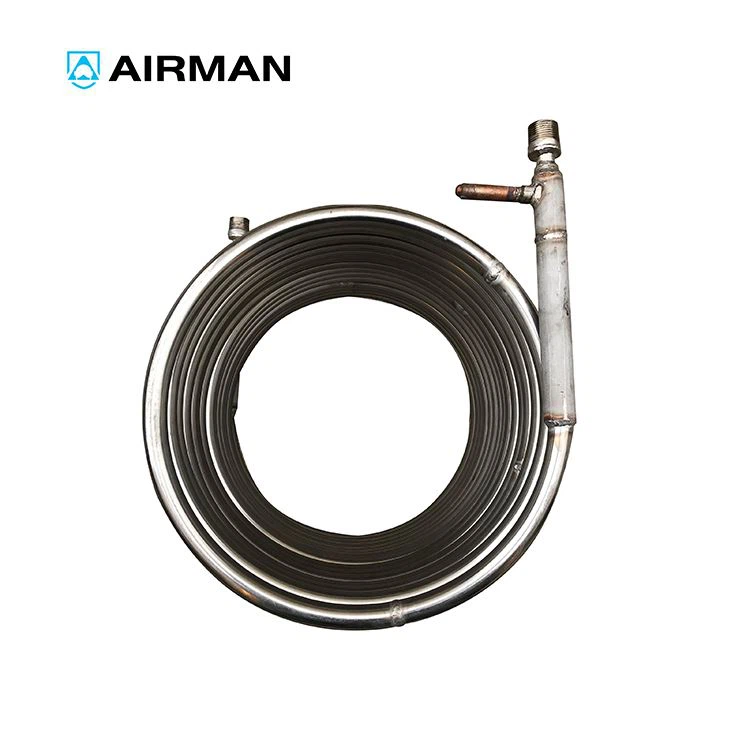
1. Water Treatment
One of the most crucial steps in preventing corrosion in a water cool condenser coil is to ensure the quality of the water used in the cooling system. Here are some water treatment methods that can help:
- Filtration: Install a high-quality water filtration system to remove suspended solids, debris, and sediment from the water. This can prevent the accumulation of scale and deposits on the coil surface, reducing the risk of corrosion.
- Softening: If you have hard water, consider installing a water softener to remove the calcium and magnesium ions that cause scale formation. Softening the water can help prevent the buildup of scale and reduce the risk of corrosion.
- pH Adjustment: Monitor the pH level of the water and adjust it as necessary to maintain a slightly acidic to neutral pH range (between 6.5 and 7.5). This can help prevent the formation of scale and reduce the risk of corrosion.
- Oxygen Scavenging: Use an oxygen scavenger to remove dissolved oxygen from the water. Oxygen is one of the primary catalysts for corrosion, so reducing its concentration can significantly slow down the corrosion process.
- Chemical Treatment: Add corrosion inhibitors to the water to protect the metal surface from corrosion. These inhibitors form a protective film on the metal surface, preventing the water and oxygen from coming into contact with the metal. There are various types of corrosion inhibitors available, including organic and inorganic compounds. Choose an inhibitor that is compatible with your specific cooling system and water conditions.
2. Proper System Design and Installation
The design and installation of the water cool condenser coil system can also have a significant impact on its susceptibility to corrosion. Here are some considerations to keep in mind:
- Material Selection: Choose high-quality materials that are resistant to corrosion for the construction of the condenser coil. Common materials used for condenser coils include copper, aluminum, and stainless steel. Each material has its own advantages and disadvantages in terms of corrosion resistance, cost, and performance. Consider the specific requirements of your application and choose the material that best suits your needs.
- Proper Sizing and Layout: Ensure that the condenser coil is properly sized and laid out to allow for efficient heat transfer and water flow. A poorly designed system can lead to uneven water distribution, which can create areas of stagnant water and increase the risk of corrosion. Additionally, make sure that the coil is installed in a location that is well-ventilated and protected from direct sunlight and extreme weather conditions.
- Isolation and Insulation: Isolate the condenser coil from other components in the system that may be prone to corrosion. For example, use non-conductive gaskets and seals to prevent electrical contact between the coil and other metal parts. Additionally, insulate the coil to reduce heat transfer and prevent condensation from forming on the surface.
- Regular Maintenance: Establish a regular maintenance schedule for the water cool condenser coil system. This should include cleaning the coil, inspecting for signs of corrosion, and replacing any damaged or worn components. Regular maintenance can help identify and address potential corrosion issues before they become serious problems.
3. Environmental Control
Controlling the temperature and humidity in the environment where the water cool condenser coil is located can also help prevent corrosion. Here are some strategies to consider:
- Ventilation: Ensure that the area around the coil is well-ventilated to allow for the circulation of air. This can help reduce humidity levels and prevent the buildup of moisture. Install exhaust fans or ventilation ducts to remove warm, humid air from the area.
- Temperature Regulation: Maintain a stable temperature in the environment to prevent excessive heat and humidity. Use air conditioning or heating systems to control the temperature as needed. Avoid exposing the coil to extreme temperatures, as this can increase the risk of corrosion.
- Humidity Control: Use dehumidifiers to reduce the humidity level in the air. This can help prevent the formation of condensation on the coil surface and reduce the risk of corrosion. Set the dehumidifier to maintain a relative humidity level of between 30% and 50%.
- Environmental Monitoring: Install sensors to monitor the temperature and humidity levels in the environment. This can help you detect any changes in the conditions and take appropriate action to prevent corrosion. For example, if the humidity level rises above a certain threshold, you can increase the ventilation or turn on the dehumidifier.
4. Chemical Management
Proper management of chemicals used in the water cool condenser coil system is essential to prevent corrosion. Here are some guidelines to follow:
- Use Compatible Chemicals: Only use chemicals that are compatible with the materials used in the coil and the cooling system. Before adding any chemicals to the water, consult the manufacturer's recommendations and test the chemicals in a small sample of water to ensure compatibility.
- Follow Proper Dosage Instructions: Use the correct dosage of chemicals to avoid over-treatment or under-treatment. Overdosing can lead to the formation of scale, deposits, or other chemical reactions that can cause corrosion. Underdosing, on the other hand, may not provide adequate protection against corrosion.
- Regularly Monitor Chemical Levels: Regularly test the water in the cooling system to monitor the levels of chemicals such as pH, alkalinity, and dissolved oxygen. Adjust the chemical dosage as needed to maintain the desired levels.
- Proper Storage and Handling of Chemicals: Store chemicals in a cool, dry place away from direct sunlight and heat. Follow the manufacturer's instructions for handling and disposing of chemicals to ensure safety and prevent environmental contamination.
5. Protective Coatings
Applying a protective coating to the water cool condenser coil can provide an additional layer of protection against corrosion. Protective coatings can act as a barrier between the metal surface and the environment, preventing the water, oxygen, and chemicals from coming into contact with the metal. Here are some types of protective coatings that can be used:
- Epoxy Coatings: Epoxy coatings are a popular choice for protecting metal surfaces from corrosion. They are durable, resistant to chemicals, and can provide excellent adhesion to the metal. Epoxy coatings can be applied to the coil surface using a spray or a brush.
- Polyurethane Coatings: Polyurethane coatings are another type of protective coating that can be used to prevent corrosion. They are flexible, resistant to abrasion, and can provide good protection against ultraviolet (UV) radiation. Polyurethane coatings can be applied to the coil surface using a spray or a roller.
- Zinc Coatings: Zinc coatings, such as galvanizing, can provide sacrificial protection to the metal. Zinc is more reactive than the metal in the coil, so it corrodes first, protecting the underlying metal from corrosion. Zinc coatings can be applied to the coil surface using a hot-dip galvanizing process or a zinc-rich paint.
- Ceramic Coatings: Ceramic coatings are a relatively new type of protective coating that can provide excellent corrosion resistance. They are hard, wear-resistant, and can withstand high temperatures. Ceramic coatings can be applied to the coil surface using a thermal spray process.
Conclusion
Preventing corrosion in a water cool condenser coil is essential to ensure its long-term performance and reliability. By understanding the causes of corrosion and implementing the preventive measures outlined in this blog post, you can significantly reduce the risk of corrosion and extend the lifespan of your water cool condenser coil. Remember to choose high-quality materials, maintain proper water quality, control the environment, and establish a regular maintenance schedule. If you have any questions or need further assistance, please don't hesitate to contact us for procurement and negotiation. We are a leading supplier of Water Cool Condenser Coil for Water Purifier, Coaxial Cooler Heat Exchanger, and Double Pipe Heat Exchanger for Heat Pump, and we are committed to providing our customers with the best products and services.
References
- Fontana, M. G. (1986). Corrosion engineering (3rd ed.). McGraw-Hill.
- Uhlig, H. H., & Revie, R. W. (1985). Corrosion and corrosion control: An introduction to corrosion science and engineering (3rd ed.). Wiley.
- Schweitzer, P. A. (1996). Corrosion resistance tables (4th ed.). Marcel Dekker.