

Hey there! As a supplier of Water Cool Condenser Coils, I've seen firsthand how crucial it is to optimize the water temperature for these coils. In this blog, I'll share some tips and tricks on how you can do just that, ensuring your system runs efficiently and effectively.
Why Optimizing Water Temperature Matters
First off, let's talk about why getting the water temperature right is so important. When the water temperature is too high, the condenser coil has to work harder to transfer heat, which can lead to increased energy consumption and wear and tear on the system. On the other hand, if the water temperature is too low, it can cause issues like freezing and reduced heat transfer efficiency.
By optimizing the water temperature, you can improve the overall performance of your water cool condenser coil, extend its lifespan, and save on energy costs. It's a win-win situation!
Factors Affecting Water Temperature
Before we dive into the optimization process, let's take a look at some of the factors that can affect the water temperature in your condenser coil system.
- Ambient Temperature: The temperature of the surrounding environment plays a big role in the water temperature. In hot climates, the water may heat up more quickly, while in cold climates, it may be more prone to freezing.
- Water Flow Rate: The rate at which water flows through the condenser coil can also impact the temperature. A higher flow rate can help to dissipate heat more effectively, but it can also increase energy consumption.
- Load on the System: The amount of heat that needs to be removed from the system, known as the load, can affect the water temperature. A higher load will require more cooling, which may require a lower water temperature.
- Type of Refrigerant: Different refrigerants have different operating temperature ranges, so it's important to choose a refrigerant that is compatible with your condenser coil system and the desired water temperature.
Tips for Optimizing Water Temperature
Now that we understand the factors that can affect water temperature, let's look at some practical tips for optimizing it.
1. Monitor the Water Temperature Regularly
One of the first steps in optimizing water temperature is to monitor it regularly. This can be done using a temperature sensor or a thermometer. By keeping an eye on the water temperature, you can quickly identify any issues and make adjustments as needed.
2. Adjust the Water Flow Rate
As mentioned earlier, the water flow rate can have a significant impact on the water temperature. If the water temperature is too high, you may be able to lower it by increasing the flow rate. Conversely, if the water temperature is too low, you may need to decrease the flow rate.
However, it's important to find the right balance. Increasing the flow rate too much can lead to increased energy consumption, while decreasing it too much can reduce the heat transfer efficiency. You may need to experiment a bit to find the optimal flow rate for your system.
3. Use a Temperature Control System
A temperature control system can be a valuable tool for optimizing water temperature. These systems can automatically adjust the water flow rate or the temperature of the incoming water based on the desired setpoint. This can help to maintain a consistent water temperature and improve the overall efficiency of the system.
4. Consider the Ambient Temperature
As we discussed earlier, the ambient temperature can have a big impact on the water temperature. In hot climates, you may need to take additional steps to cool the water, such as using a cooling tower or a chiller. In cold climates, you may need to insulate the pipes and the condenser coil to prevent freezing.
5. Choose the Right Refrigerant
As mentioned earlier, different refrigerants have different operating temperature ranges. When selecting a refrigerant for your condenser coil system, it's important to choose one that is compatible with the desired water temperature and the operating conditions of your system.
6. Maintain the Condenser Coil
Proper maintenance of the condenser coil is essential for optimizing water temperature. Over time, the coil can become dirty or clogged with debris, which can reduce its heat transfer efficiency and cause the water temperature to rise. Regular cleaning and maintenance can help to keep the coil in good condition and ensure optimal performance.
The Role of Heat Exchangers
Heat exchangers play a crucial role in the water temperature optimization process. They are used to transfer heat from the refrigerant to the water, allowing the condenser coil to remove heat from the system.
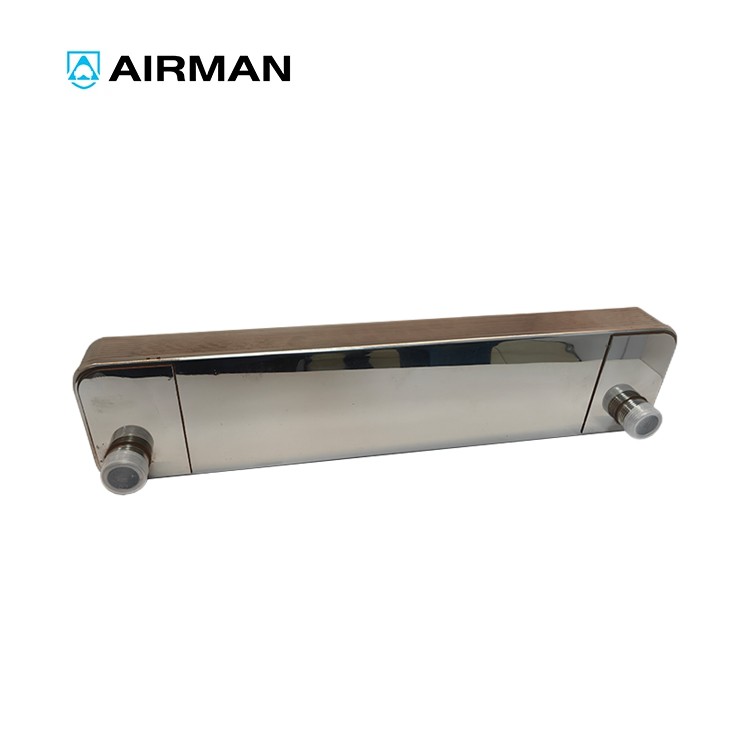
There are several types of heat exchangers that can be used in water cool condenser coil systems, including Hrs Plate Heat Exchangers. These heat exchangers are known for their high efficiency and compact design, making them a popular choice for many applications.
Another type of heat exchanger that can be used in pool heat pump systems is the Water Cool Evaporator Coil for Pool Heat Pump. This type of coil is designed to transfer heat from the pool water to the refrigerant, allowing the heat pump to heat the pool more efficiently.
For larger systems, a 40kw Plate Heat Exchanger may be required. These heat exchangers are capable of handling higher loads and can provide a more efficient heat transfer solution.

Conclusion
Optimizing the water temperature for a water cool condenser coil is essential for ensuring the efficient and effective operation of your system. By monitoring the water temperature, adjusting the water flow rate, using a temperature control system, considering the ambient temperature, choosing the right refrigerant, and maintaining the condenser coil, you can improve the performance of your system, extend its lifespan, and save on energy costs.
If you're in the market for a water cool condenser coil or any other heat exchanger products, I encourage you to reach out to us. We're a leading supplier of high-quality condenser coils and heat exchangers, and we'd be happy to help you find the right solution for your needs. Whether you have questions about water temperature optimization or need assistance with product selection, our team of experts is here to support you. Let's start a conversation and see how we can work together to meet your requirements.
References
- ASHRAE Handbook of Refrigeration. American Society of Heating, Refrigerating and Air - Conditioning Engineers.
- Refrigeration and Air Conditioning Technology. William C. Whitman, William M. Johnson, John Tomczyk, Eugene Silberstein.