

As a supplier of heat exchangers, I know firsthand how crucial it is to ensure the safe operation of these devices. Heat exchangers are used in a wide range of industries, from chemical processing to food and beverage production, and any malfunction can lead to serious consequences, including equipment damage, production downtime, and even safety hazards. In this blog post, I'll share some tips on how to keep your heat exchanger running smoothly and safely.
Regular Inspections
One of the most important things you can do to ensure the safe operation of your heat exchanger is to conduct regular inspections. This includes both visual inspections and more in-depth testing. During a visual inspection, you should look for signs of wear and tear, such as leaks, corrosion, or damage to the tubes or plates. You should also check the connections and fittings to make sure they are tight and secure.

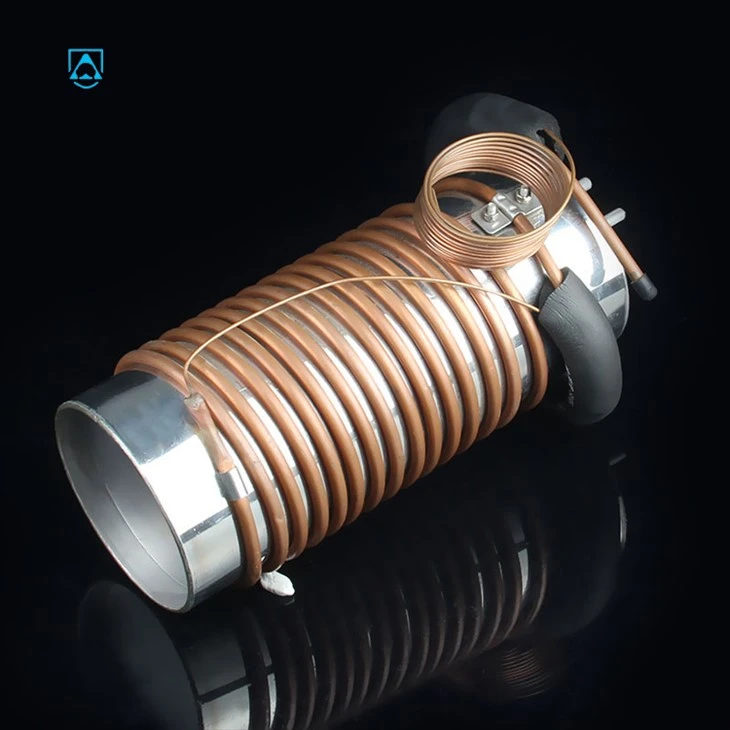
In addition to visual inspections, you should also conduct more in-depth testing on a regular basis. This may include pressure testing, flow testing, and thermal performance testing. These tests can help you identify any potential problems before they become serious and can also help you optimize the performance of your heat exchanger.
Proper Maintenance
Proper maintenance is another key factor in ensuring the safe operation of your heat exchanger. This includes cleaning the heat exchanger regularly to remove any dirt, debris, or scaling that may have accumulated on the tubes or plates. You should also lubricate any moving parts, such as fans or pumps, to ensure they are operating smoothly.
In addition to regular cleaning and lubrication, you should also replace any worn or damaged parts as soon as possible. This may include tubes, plates, gaskets, or seals. By replacing these parts in a timely manner, you can prevent further damage to the heat exchanger and ensure that it continues to operate safely and efficiently.
Operator Training
Another important factor in ensuring the safe operation of your heat exchanger is operator training. All operators should be trained on how to properly operate and maintain the heat exchanger, including how to start and stop the system, how to monitor the performance, and how to troubleshoot any problems that may arise.
In addition to basic operator training, you should also provide ongoing training and education to keep your operators up-to-date on the latest technologies and best practices. This can help them identify and address potential problems before they become serious and can also help them optimize the performance of the heat exchanger.
Choosing the Right Heat Exchanger
Finally, it's important to choose the right heat exchanger for your application. There are many different types of heat exchangers available, each with its own advantages and disadvantages. Some common types of heat exchangers include Shell And Coil Heat Exchanger, Shell And Tube Condenser, Pillow Plate Heat Exchanger, Water Cool Evaporator Coil for Ice Machine, and 30 Plate Heat Exchanger.
When choosing a heat exchanger, you should consider factors such as the type of fluid being heated or cooled, the flow rate, the temperature difference, and the pressure requirements. You should also consider the size and capacity of the heat exchanger, as well as the cost and maintenance requirements.
Conclusion
Ensuring the safe operation of a heat exchanger requires a combination of regular inspections, proper maintenance, operator training, and choosing the right heat exchanger for your application. By following these tips, you can help prevent equipment damage, production downtime, and safety hazards, and ensure that your heat exchanger continues to operate safely and efficiently for years to come.
If you're in the market for a heat exchanger or need help with the safe operation and maintenance of your existing heat exchanger, don't hesitate to contact us. We're a leading supplier of heat exchangers and have the expertise and experience to help you find the right solution for your needs. Let's have a chat about your requirements and see how we can work together to keep your operations running smoothly.
References
- Incropera, F. P., & DeWitt, D. P. (2002). Introduction to heat transfer. John Wiley & Sons.
- Shah, R. K., & Sekulic, D. P. (2003). Fundamentals of heat exchanger design. John Wiley & Sons.