

A pipe coil heat exchanger is a versatile device commonly used in various industrial and commercial applications for heat transfer. The question of whether a pipe coil heat exchanger can be used for gas-to-gas heat transfer is an important one, especially for industries that require efficient and reliable heat exchange between gases. As a supplier of pipe coil heat exchangers, I will explore this topic in detail and provide insights into the feasibility and effectiveness of using pipe coil heat exchangers for gas-to-gas heat transfer.
Understanding Pipe Coil Heat Exchangers
Pipe coil heat exchangers consist of a series of coiled pipes through which a fluid (either a liquid or a gas) flows. The coiled design provides a large surface area for heat transfer, allowing for efficient exchange of thermal energy between two fluids. The heat transfer occurs through conduction, where heat is transferred from the hot fluid to the cold fluid through the pipe walls.
Pipe coil heat exchangers can be made from a variety of materials, including stainless steel, copper, and carbon steel, depending on the specific application and the properties of the fluids involved. They are available in different configurations, such as single-pass and multi-pass designs, to meet the requirements of different heat transfer applications.
Gas-to-Gas Heat Transfer Requirements
Gas-to-gas heat transfer involves the exchange of heat between two gases. This type of heat transfer is commonly required in industries such as power generation, chemical processing, and HVAC systems. The effectiveness of gas-to-gas heat transfer depends on several factors, including the temperature difference between the two gases, the flow rates of the gases, and the heat transfer coefficient of the heat exchanger.
One of the challenges in gas-to-gas heat transfer is the relatively low heat transfer coefficient of gases compared to liquids. Gases have lower thermal conductivity and density than liquids, which means that they require a larger surface area for heat transfer to achieve the same level of efficiency. Additionally, gases are more compressible than liquids, which can affect the flow characteristics and pressure drop across the heat exchanger.
Feasibility of Using Pipe Coil Heat Exchangers for Gas-to-Gas Heat Transfer
Pipe coil heat exchangers can be used for gas-to-gas heat transfer, but their effectiveness depends on several factors. One of the key considerations is the design of the heat exchanger. The coiled design of the pipes provides a large surface area for heat transfer, which can help to compensate for the low heat transfer coefficient of gases. However, the design of the heat exchanger must also take into account the flow characteristics of the gases and the pressure drop across the heat exchanger.
Another important factor is the material of the pipes. The pipes must be made from a material that is resistant to corrosion and can withstand the high temperatures and pressures associated with gas-to-gas heat transfer. Stainless steel is a commonly used material for pipe coil heat exchangers due to its excellent corrosion resistance and high temperature strength.

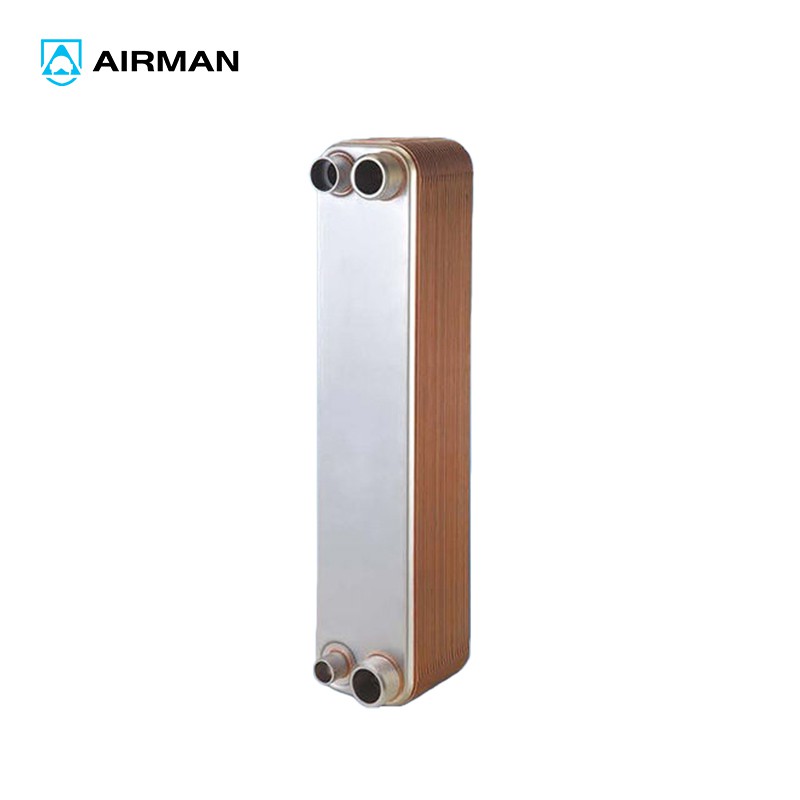
In addition to the design and material of the heat exchanger, the operating conditions also play a crucial role in the effectiveness of gas-to-gas heat transfer. The temperature difference between the two gases, the flow rates of the gases, and the pressure drop across the heat exchanger must be carefully controlled to ensure efficient and reliable heat transfer.
Advantages of Using Pipe Coil Heat Exchangers for Gas-to-Gas Heat Transfer
There are several advantages to using pipe coil heat exchangers for gas-to-gas heat transfer. One of the main advantages is their compact design. Pipe coil heat exchangers can be designed to fit into tight spaces, making them ideal for applications where space is limited. Additionally, the coiled design of the pipes provides a large surface area for heat transfer, which can result in higher heat transfer efficiency compared to other types of heat exchangers.
Another advantage of pipe coil heat exchangers is their flexibility. They can be easily customized to meet the specific requirements of different applications. For example, the number of coils, the diameter of the pipes, and the pitch of the coils can be adjusted to optimize the heat transfer performance.
Pipe coil heat exchangers are also relatively easy to maintain. The coiled pipes can be easily cleaned and inspected, and any damaged pipes can be replaced without having to replace the entire heat exchanger.
Limitations of Using Pipe Coil Heat Exchangers for Gas-to-Gas Heat Transfer
While pipe coil heat exchangers have many advantages for gas-to-gas heat transfer, they also have some limitations. One of the main limitations is the relatively high pressure drop across the heat exchanger. The coiled design of the pipes can cause a significant pressure drop, which can affect the flow rates of the gases and reduce the overall efficiency of the heat transfer process.
Another limitation is the limited heat transfer surface area compared to other types of heat exchangers, such as Welded Plate Heat Exchangers. While the coiled design of the pipes provides a large surface area, it may not be sufficient for applications that require high heat transfer rates.
Applications of Pipe Coil Heat Exchangers in Gas-to-Gas Heat Transfer
Pipe coil heat exchangers are commonly used in a variety of applications for gas-to-gas heat transfer. Some of the common applications include:
- Power Generation: In power plants, pipe coil heat exchangers are used to transfer heat between the hot exhaust gases from the turbines and the incoming air for combustion. This helps to improve the efficiency of the power generation process and reduce the amount of fuel required.
- Chemical Processing: In chemical plants, pipe coil heat exchangers are used to transfer heat between different gases in various chemical reactions. This helps to control the temperature of the reactions and improve the efficiency of the chemical processes.
- HVAC Systems: In heating, ventilation, and air conditioning (HVAC) systems, pipe coil heat exchangers are used to transfer heat between the outdoor air and the indoor air. This helps to maintain a comfortable temperature and humidity level in the building.
Conclusion
In conclusion, a pipe coil heat exchanger can be used for gas-to-gas heat transfer, but its effectiveness depends on several factors, including the design of the heat exchanger, the material of the pipes, and the operating conditions. While pipe coil heat exchangers have many advantages, such as their compact design, flexibility, and ease of maintenance, they also have some limitations, such as the relatively high pressure drop and the limited heat transfer surface area.
If you are considering using a pipe coil heat exchanger for gas-to-gas heat transfer, it is important to consult with a professional heat exchanger supplier to ensure that the heat exchanger is designed and sized correctly for your specific application. Our company specializes in the design and manufacture of high-quality pipe coil heat exchangers for a variety of applications. We have the expertise and experience to help you select the right heat exchanger for your needs and ensure its efficient and reliable operation.
If you are interested in learning more about our pipe coil heat exchangers or would like to discuss your specific heat transfer requirements, please feel free to contact us. We look forward to the opportunity to work with you and provide you with the best heat transfer solutions.
References
- Incropera, F. P., & DeWitt, D. P. (2002). Fundamentals of Heat and Mass Transfer. John Wiley & Sons.
- Holman, J. P. (2002). Heat Transfer. McGraw-Hill.
- Kern, D. Q. (1950). Process Heat Transfer. McGraw-Hill.